.jpg)
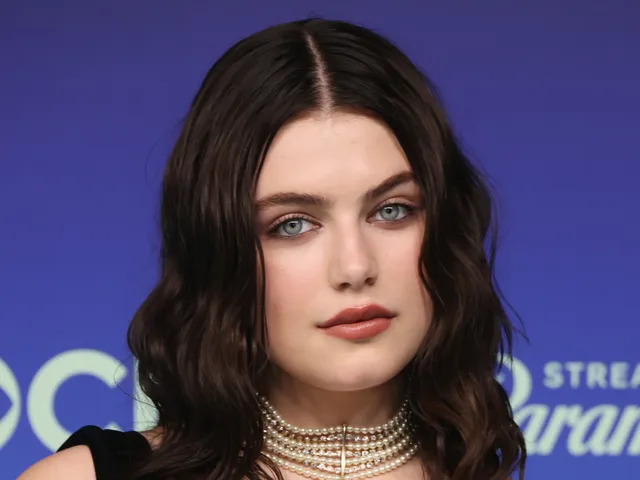
The arrival of fall often inspires a change in hair color. Cooler temperatures and shifting wardrobes tend to bring espresso brunette, deep chocolate and auburn shades back into focus. This year, however, the most appealing seasonal transformations do not necessarily require a dramatic change. Honey-latte hair takes a more understated approach, refreshing lighter hair with a blend of warm, creamy tones that feels polished without sacrificing its sun-kissed character.
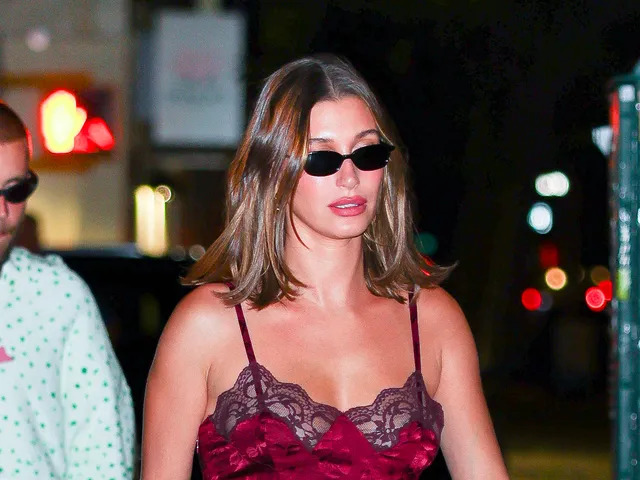
Celebrity colorist and Paul Mitchell global color artist Matt Rez describes honey-latte hair as a dimensional, neutral-warm blonde that combines creamy beige with golden honey and soft caramel. Rather than relying on a single flat shade, the look uses carefully balanced tones to create richness and natural-looking brightness. The ideal result feels warm and luminous without becoming overly yellow or brassy, with a slightly deeper base that transitions seamlessly into lighter mid-lengths and ends.
Although honey latte shares similarities with honey blonde, caramel blonde and bronde, its appeal lies in the balance between them. Honey blonde generally emphasizes golden tones, while caramel blonde introduces greater depth and richness. Bronde brings more noticeable brunette elements into the mix. Honey latte draws from all three, combining blonde brightness, caramel warmth and a deeper foundation with a creamy beige finish.
The result is a versatile color that can work particularly well for people who want to transition their summer hair into autumn without losing its lighter dimensions. Instead of covering the hair in a darker, uniform shade, the technique adds definition and depth while allowing selected pieces to catch the light.
Achieving the look requires a thoughtful combination of highlights, lowlights and midlights. Rez recommends asking a colorist for strategically placed highlights to create brightness, lowlights or a deeper base to introduce contrast, and midlights to connect the shades. This layered approach helps prevent harsh lines and creates the smooth, blended effect that distinguishes honey-latte hair from a more conventional blonde.
Placement matters just as much as the choice of color. A skilled colorist considers how the hair naturally moves, separates and reflects light before deciding where to add lighter or darker pieces. On straight hair, individual highlights tend to be more visible, making a seamless blend especially important. Wavy hair naturally reveals variations in tone as the strands move, while curls and coils may benefit from more deliberate, slightly bolder placement so that the color remains visible within the hair's natural pattern.
The haircut can also influence how the final color appears. Holland Hager, a colorist at Flore Los Angeles, favors layered cuts because their movement helps reveal the different caramel and blonde tones. As the hair shifts, the changing shades create an impression of softness and depth.
For layered styles and curtain bangs, Rez suggests incorporating brightness around the face and along the movement of the cut. This approach can frame the features while connecting the lighter pieces to the rest of the hair. A bob calls for a different strategy, with carefully placed ribbons of color helping define the shape and create the appearance of fullness. Longer hair, meanwhile, provides more room for a gradual transition from darker roots to brighter ends.
One of honey-latte hair's greatest strengths is its adaptability. The shade does not depend on a particular haircut or hair texture, but instead can be tailored to the individual through the placement and proportion of its tones. That makes consultation with an experienced colorist especially valuable, as the right balance will depend on the starting color, natural texture and desired level of maintenance.
For anyone considering a seasonal refresh, honey-latte hair offers a modern alternative to the dramatic darkening that often accompanies fall. Its combination of creamy beige, soft caramel and golden warmth creates a finish that feels rich without being heavy. Rather than abandoning summer brightness, the trend refines it, delivering a subtle color shift that looks natural, dimensional and perfectly suited to the changing season.
.jpg)