
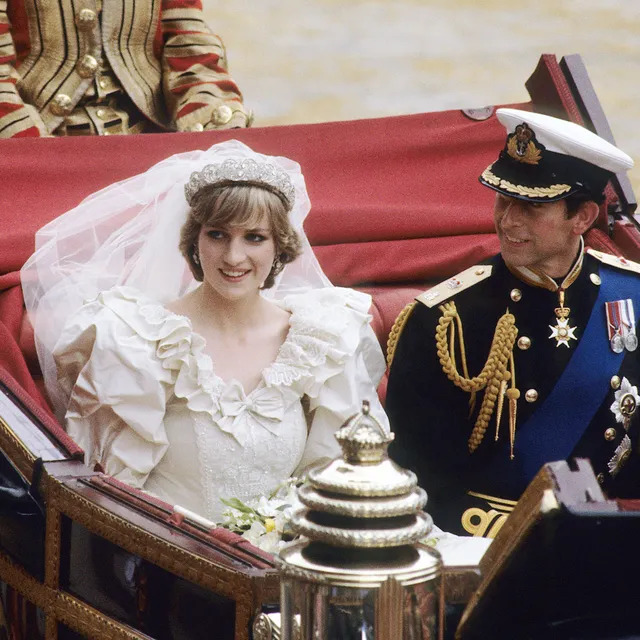
Princess Diana’s life remains one of the most closely examined stories in modern royal history. Her marriage, public influence and tragic death have inspired countless books and documentaries, yet the people who knew her personally continue to offer new perspectives on the woman behind the global image. In Swan Song: Diana, My Sister, her younger brother Charles Spencer revisits their relationship and recounts events that, in his view, reveal the emotional cost of Diana’s position within the royal family.
One of the memoir’s most striking claims concerns Diana’s engagement to the then Prince Charles. Spencer writes that his sister was told shortly before their wedding that Charles was happy to marry her but was not in love with her. According to his account, the revelation left Diana devastated and prompted her to consider whether she should proceed with the marriage. The claim presents a troubling interpretation of the relationship at its beginning, although it is Spencer’s recollection of what Diana later shared rather than an independently established account of the private conversation.
The memoir also revisits the breakdown of the marriage and Diana’s belief that Charles remained emotionally attached to Camilla Parker Bowles. Spencer recalls a conversation in which Diana told him that the marriage was ending. He describes her as deeply unhappy and concerned about the public reaction to a separation from a man who would one day become king. Her account, as remembered by her brother, illustrates the conflict between private distress and the expectations surrounding the royal institution.
Diana’s experience was shaped not only by her marriage but also by the extraordinary attention directed at her. Spencer argues that relentless tabloid coverage intensified her emotional difficulties and made it difficult for her to escape public judgment. His memoir revisits the press culture that surrounded Diana, suggesting that invasive reporting and the commercial demand for photographs contributed to the pressures she faced.
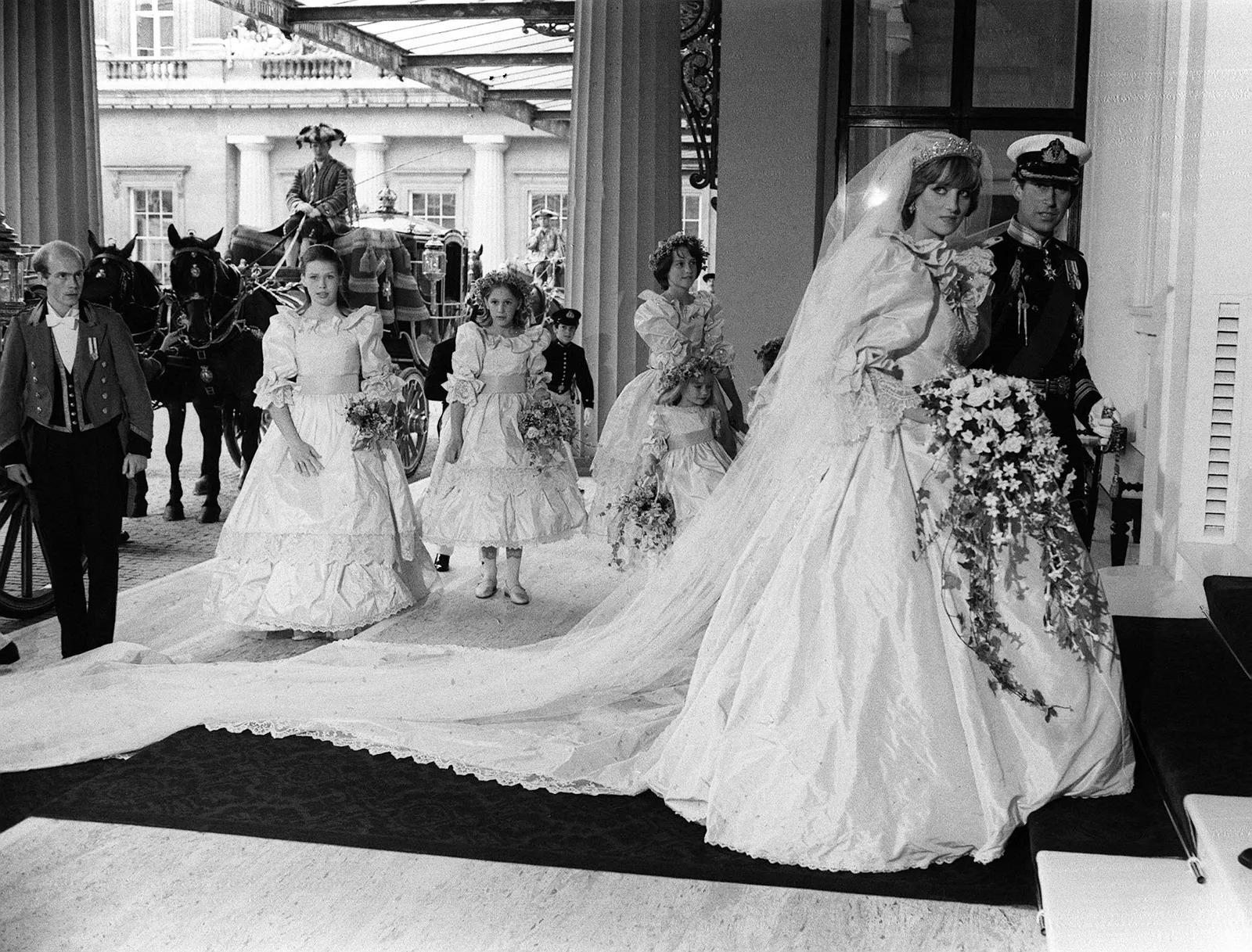
Spencer also reflects on the emotional aftermath of Diana’s death in Paris. He recounts conversations with members of the royal family while funeral arrangements were being discussed and describes a disagreement with the then Prince Charles over the decision to have Prince William and Prince Harry walk behind their mother’s coffin. Spencer believed the procession placed an unfair emotional burden on the boys, who were still children grieving their mother in front of a global audience.
Among the most controversial passages is Spencer’s recollection of a telephone conversation with Charles after Diana’s death. Spencer claims that Charles appeared unusually upbeat and later made a remark suggesting that Diana would soon be forgotten. Buckingham Palace has challenged the interpretation of these events, issuing a statement that grief can affect memory and judgment. The disagreement underscores the difficulty of establishing the precise tone and meaning of private conversations recalled many years later.
The memoir also examines the decision not to restore Diana’s HRH title after her death. Spencer writes that Queen Elizabeth II offered the possibility of reinstating the title posthumously, but he declined, believing his sister would have regarded the gesture as inadequate after losing it during her divorce. He later questions whether that decision was correct, particularly in light of how Diana’s sons might have viewed the offer.
Spencer additionally speculates that Diana may have experienced attention-related difficulties and intense sensitivity to criticism. These are his personal interpretations, not a formal medical assessment, and should be understood as such. His reflections nevertheless highlight the emotional toll he believes she experienced under sustained public scrutiny.
The publication has prompted wider discussion about the royal family’s past and the competing perspectives of those who lived through its most difficult moments. Buckingham Palace’s response illustrates the sensitivity surrounding claims about the late princess and the people closest to her. Other former royal staff have also offered their own interpretations, some supporting Spencer’s account and others emphasizing the complexity of grief.
Ultimately, Swan Song: Diana, My Sister is both a family memoir and a disputed account of a defining period in royal history. Its revelations invite readers to reconsider the pressures Diana faced, while the differing recollections underline the importance of separating personal testimony from established fact. Her legacy continues to endure through her sons, her charitable work and the lasting public interest in the life of a woman whose private struggles unfolded before the world.
.jpg)


.jpg)