.jpg)
The British royal family has faced periods of intense scrutiny throughout its history, often finding itself balancing public expectations with the need to maintain continuity in its official work. Prince William, heir to the throne, has continued to carry out his royal responsibilities at Windsor Castle while renewed attention surrounding his uncle, Andrew Mountbatten-Windsor, has placed the monarchy under the spotlight once again.
William’s official engagements reflect the importance of maintaining the institution’s public duties even when controversy affects members of the wider family. His work includes meetings, ceremonial responsibilities and support for initiatives connected to his charitable priorities. Such appearances help preserve the distinction between the day-to-day work of senior royals and issues involving individual family members.
Windsor Castle remains an important setting for royal business. Beyond its historic significance, it serves as a venue for official meetings and investitures, during which individuals are formally recognized for contributions to public service, sport, culture and other fields. These ceremonies offer the monarchy an opportunity to acknowledge achievements across British society while continuing traditions that have developed over generations.
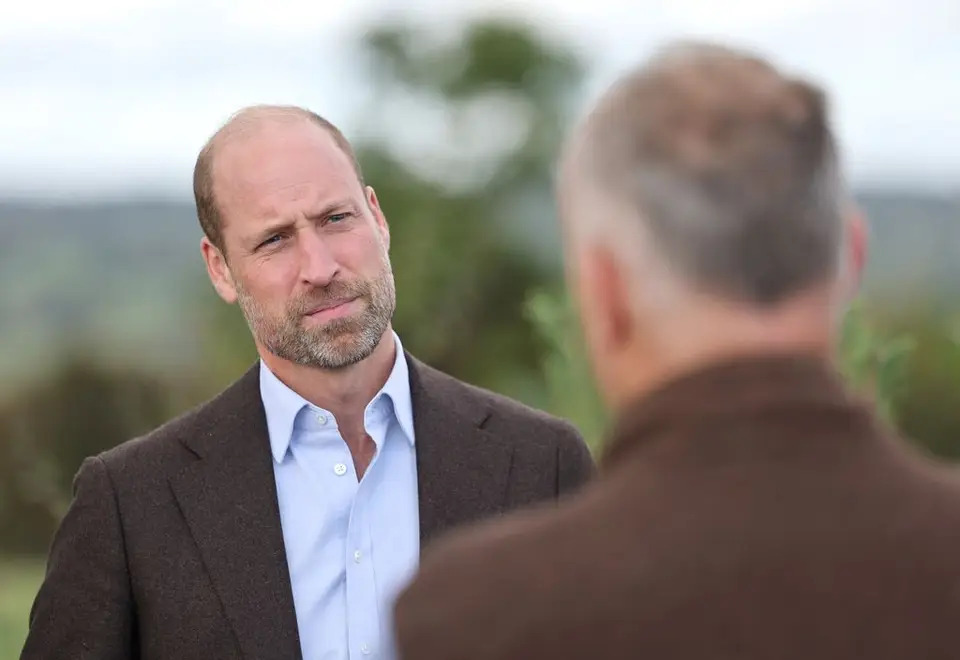
William’s public role has increasingly emphasized causes with practical social impact. Through the Homewards initiative, he has supported efforts to demonstrate that homelessness can be prevented and addressed through coordinated local action. His work also includes the Earthshot Prize, which seeks to encourage solutions to environmental challenges by recognizing innovations that can help protect the natural world.
The focus on these initiatives comes as the royal family continues to manage the repercussions of developments involving Andrew. Formerly known as the Duke of York, Andrew has faced sustained scrutiny over his association with the late financier Jeffrey Epstein. He has denied wrongdoing in relation to allegations connected to that association. The controversy has nevertheless led to significant changes in his public position within the monarchy.
Andrew was stripped of his remaining royal titles and privileges, and his departure from Royal Lodge marked another major change in his circumstances. More recently, police inquiries connected to allegations of misconduct in public office have brought further attention to his past role as the United Kingdom’s special representative for international trade and investment. The allegations remain subject to the relevant legal processes, and an investigation should not be treated as a finding of guilt.
The situation has created a challenge for the monarchy, which must respond to public concern while allowing legal and investigative procedures to take their course. Senior royals are not responsible for determining the outcome of such inquiries, but the institution’s handling of the wider controversy can affect public perceptions of its accountability and standards.
For William, continuing his official work provides a visible reminder that the monarchy’s responsibilities extend beyond any single individual. His engagements are designed to support charitable organizations, recognize public service and maintain relationships with communities and institutions across the United Kingdom. Keeping those commitments in focus is particularly important when news coverage is dominated by controversy.
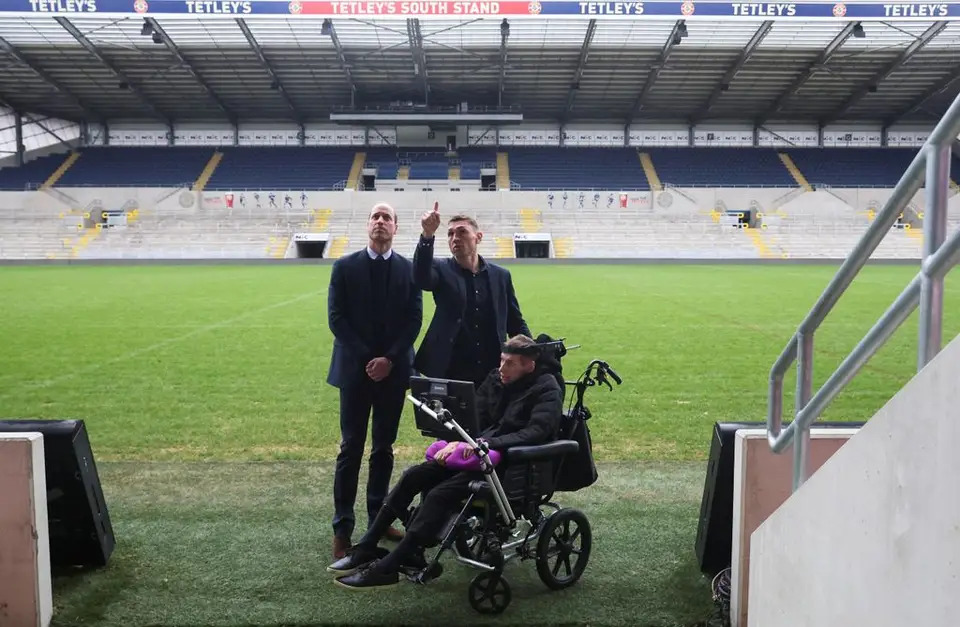
The Prince of Wales also faces the long-term responsibility of preparing for a future role as monarch. His public activities increasingly reflect an interest in issues that require sustained attention, including environmental protection, community wellbeing and opportunities for younger generations. These priorities form part of a broader effort to demonstrate the relevance of the monarchy in contemporary public life.
At the same time, the royal family cannot entirely separate its public image from the actions and circumstances of its members. Developments involving Andrew continue to generate questions about the institution’s relationship with accountability, transparency and public trust. How those questions are addressed will influence perceptions of the monarchy beyond the immediate news cycle.
William’s work at Windsor Castle therefore takes place against a wider backdrop of institutional scrutiny. His official responsibilities continue, while the legal and reputational questions surrounding his uncle remain distinct matters. The challenge for the royal family is to sustain its public service commitments without allowing unresolved controversies to disappear from legitimate public discussion.
Ultimately, the monarchy’s standing depends not only on the continuity of its ceremonies and charitable activities but also on public confidence in how difficult situations are handled. William’s continued focus on his duties illustrates the importance of institutional continuity, while the developments surrounding Andrew underscore the need for accountability to remain part of the broader conversation about the royal family.
.jpg)