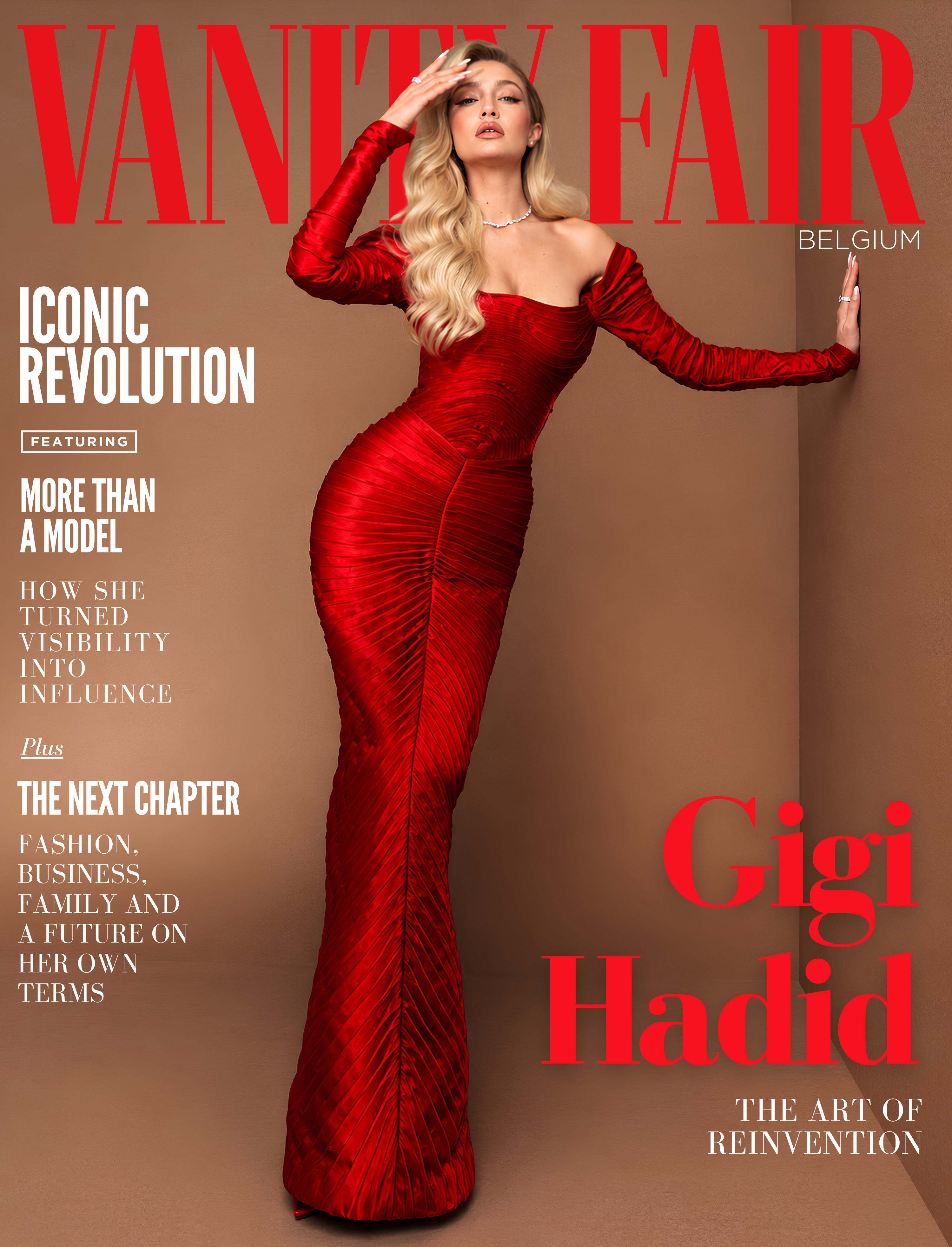
Gigi Hadids always created icons, but the most compelling figures are those who find a way to move beyond the image that first made them famous. In an industry built on constant reinvention, Gigi Hadid has become known not only for her presence on the runway and in front of the camera, but also for the way she is expanding her role within fashion. Her story is one of visibility, adaptability, and an increasingly personal understanding of what a lasting career can look like.
Born Jelena Noura Hadid in Los Angeles in 1995, she was introduced to modelling at a young age, appearing in a Baby Guess campaign. Her path into the industry was not entirely linear. She later stepped away to focus on school and returned as a teenager, bringing with her a wider set of interests and experiences. That early distance from the fashion world would become a useful reminder that identity need not be defined by a single profession, even when that profession eventually reaches a global audience.
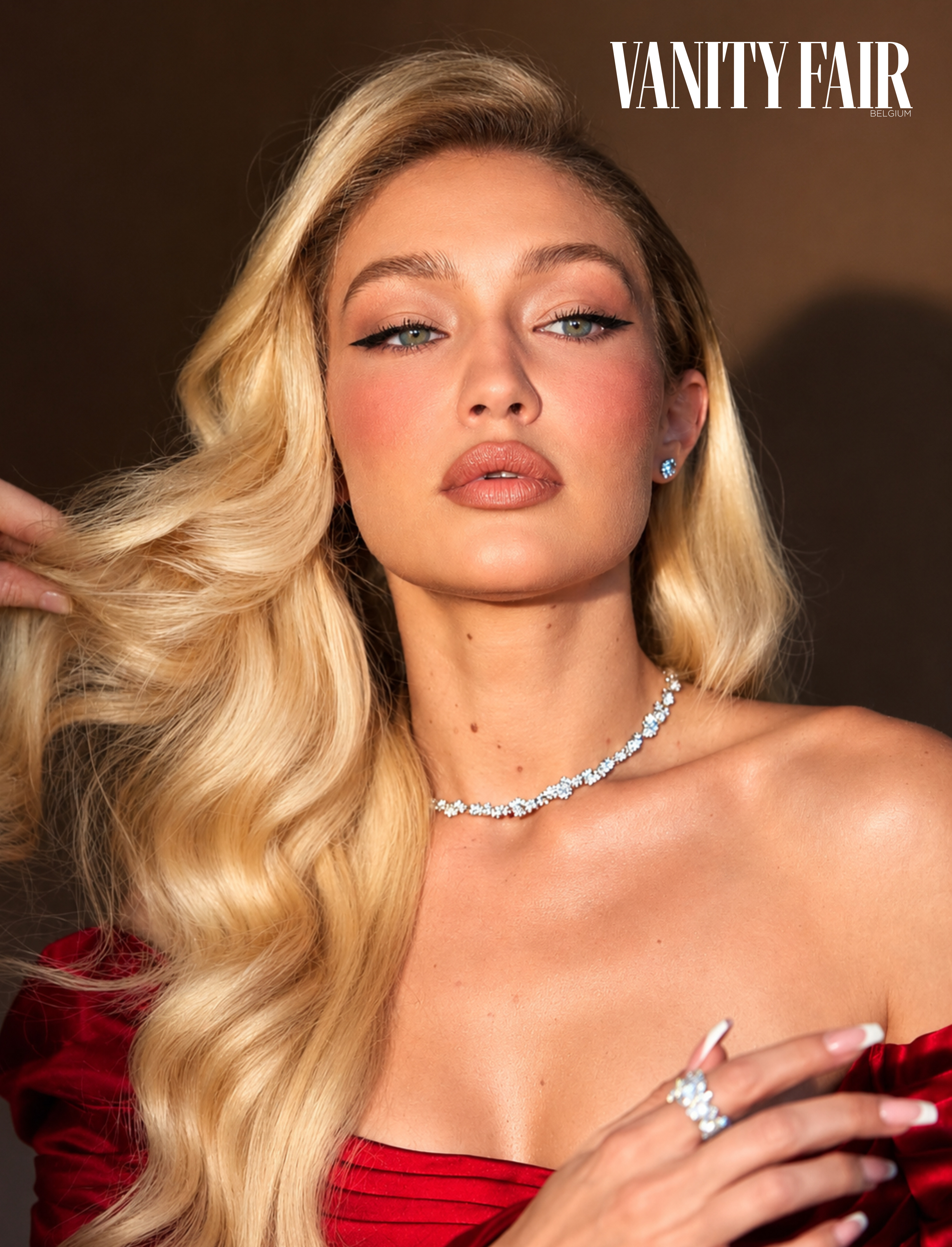
After signing with IMG Models in 2013, Hadid made her New York Fashion Week debut the following year. Her rise was rapid, but her appeal has never rested on one fixed look. She can bring athletic energy to a sportswear campaign, a composed elegance to a luxury editorial, or an effortless ease to street style. That range has allowed her to work across fashion houses, photographers, and creative teams while maintaining a recognisable presence of her own.
Hadid’s career has unfolded alongside a profound change in the relationship between models and the public. Social media has made the people behind fashion imagery more visible, creating an audience interested in personal style, daily rituals, and the stories that sit outside a campaign. Hadid has navigated this visibility while continuing to work within fashion’s traditional institutions. The balance is delicate: to remain accessible without allowing the public image to become the whole person.
Over time, her professional interests have moved beyond modelling alone. Fashion collaborations have offered opportunities to engage with design from a more active position, bringing her experience of fit, movement, and styling into the development of clothing. For a model, years spent wearing garments in front of a camera can create a particular understanding of how fashion functions in real life, not simply how it appears in a photograph. Hadid’s work beyond the runway suggests an interest in translating that perspective into projects of her own.
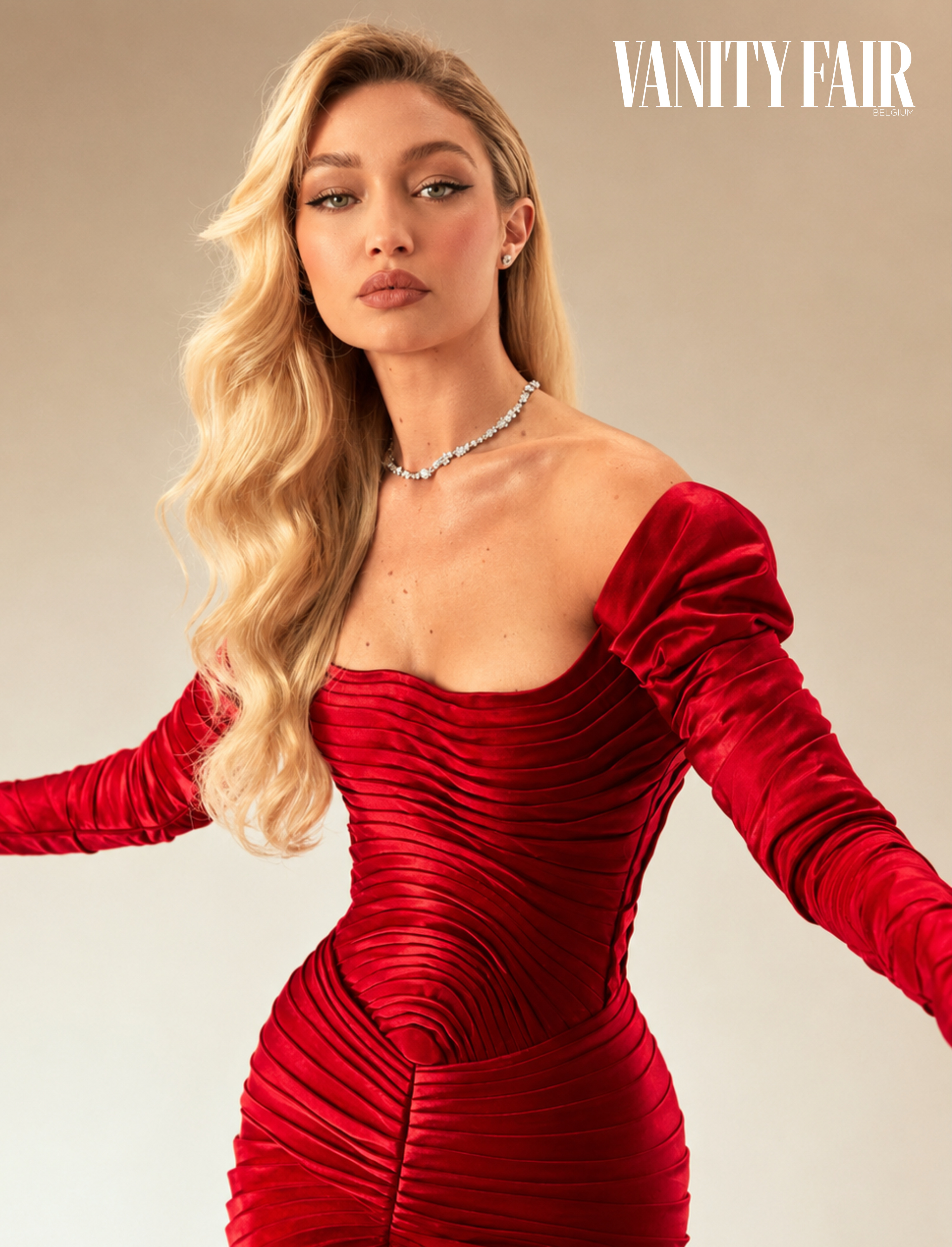
That ambition is especially visible in Guest in Residence, her cashmere-focused label. The brand centres on knitwear and pieces designed to become lasting parts of a wardrobe. Its appeal lies in a different expression of luxury: tactile, relaxed, and intended for everyday life rather than a single dramatic entrance. Cashmere carries associations of comfort and longevity, and the label’s focus on wearable essentials offers a more intimate counterpart to the spectacle of fashion week. It reflects a shift from being the face of a look to helping shape the product and the world around it.
The distinction between public image and private identity has also become more important as Hadid’s life has changed. Motherhood has added another dimension to her priorities, and she has sought to maintain boundaries around her daughter’s privacy. In a culture where celebrity can be treated as an invitation to unlimited access, choosing what to keep personal becomes a form of agency. It demonstrates that a public career and a protected private life do not have to be opposing ideas.
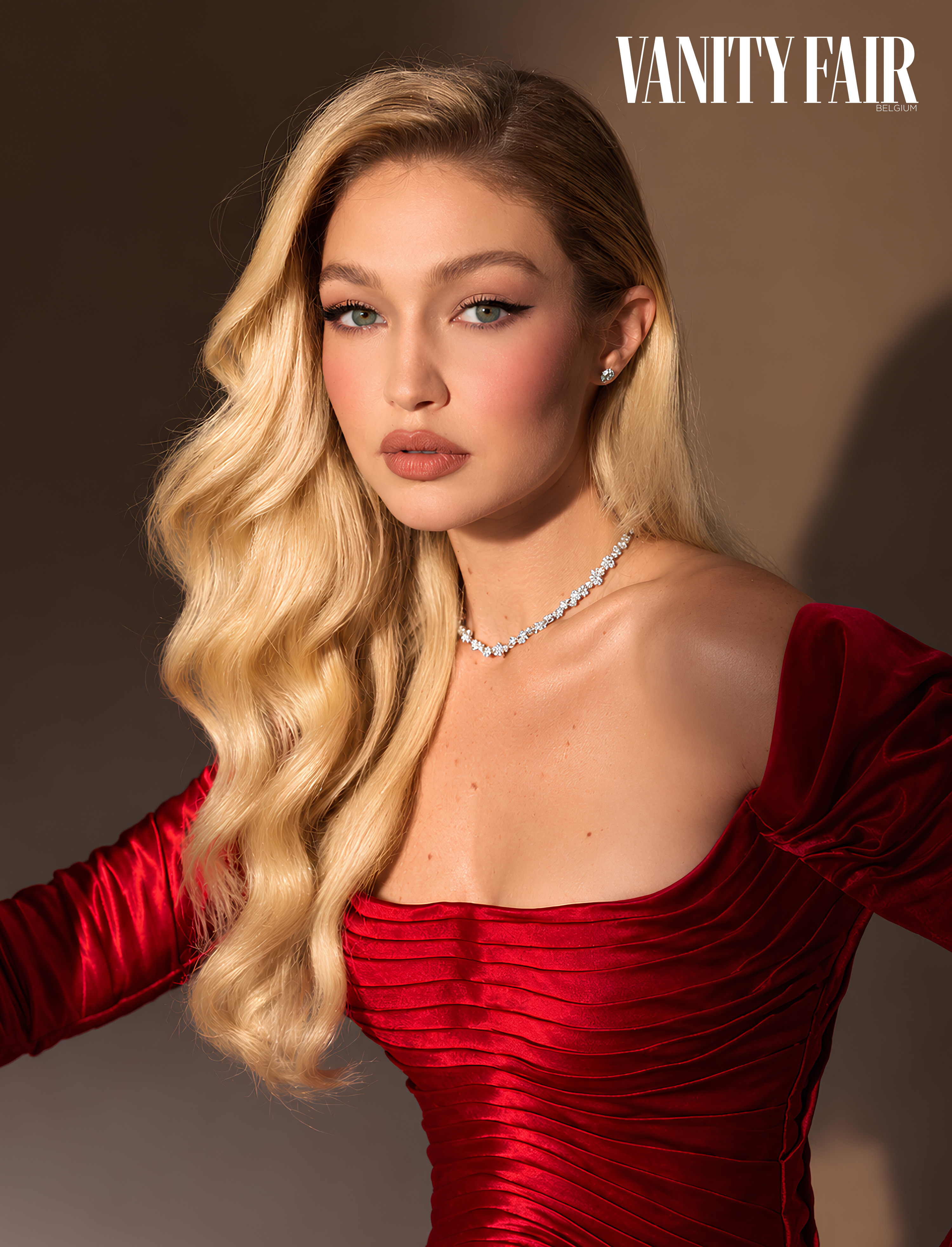
This balance speaks to a wider evolution in contemporary luxury. Today’s fashion figures are often expected to move between modelling, business, creative collaboration, and cultural influence. Yet longevity depends on more than visibility. It requires curiosity, an ability to learn new roles, and a willingness to make decisions that extend beyond the immediate rewards of recognition. Hadid’s career increasingly reflects these broader ambitions, with modelling remaining central while other interests give it additional dimensions.
Her influence is therefore best understood not as a departure from fashion, but as a widening of her place within it. The runway remains a vital platform for communicating a designer’s vision, and Hadid continues to bring a distinctive presence to that work. At the same time, entrepreneurship has given her another way to participate in the industry: through the development of a brand, a point of view, and products that exist beyond a seasonal image.
There is a difference between being constantly seen and having a clear sense of direction. Hadid’s career has placed her in front of audiences around the world, but its next chapters are shaped by choices that go beyond the camera: what to create, how to collaborate, and how to protect the parts of life that do not belong to the public. Those questions are increasingly central to the modern fashion story, where individuality is as important as image.
In an industry that is always searching for its next defining face, Gigi Hadid’s enduring appeal lies in her ability to evolve without losing the qualities that made her distinctive. She has moved from early modelling work to international runways, from campaigns to entrepreneurship, and from a highly visible public profile toward a more considered balance between career and personal life. Reinvention, in her case, is not a rejection of the past. It is the process of turning experience into possibility, and of making room for a future that is larger than any single image.
.jpg)
.jpg)
.jpg)