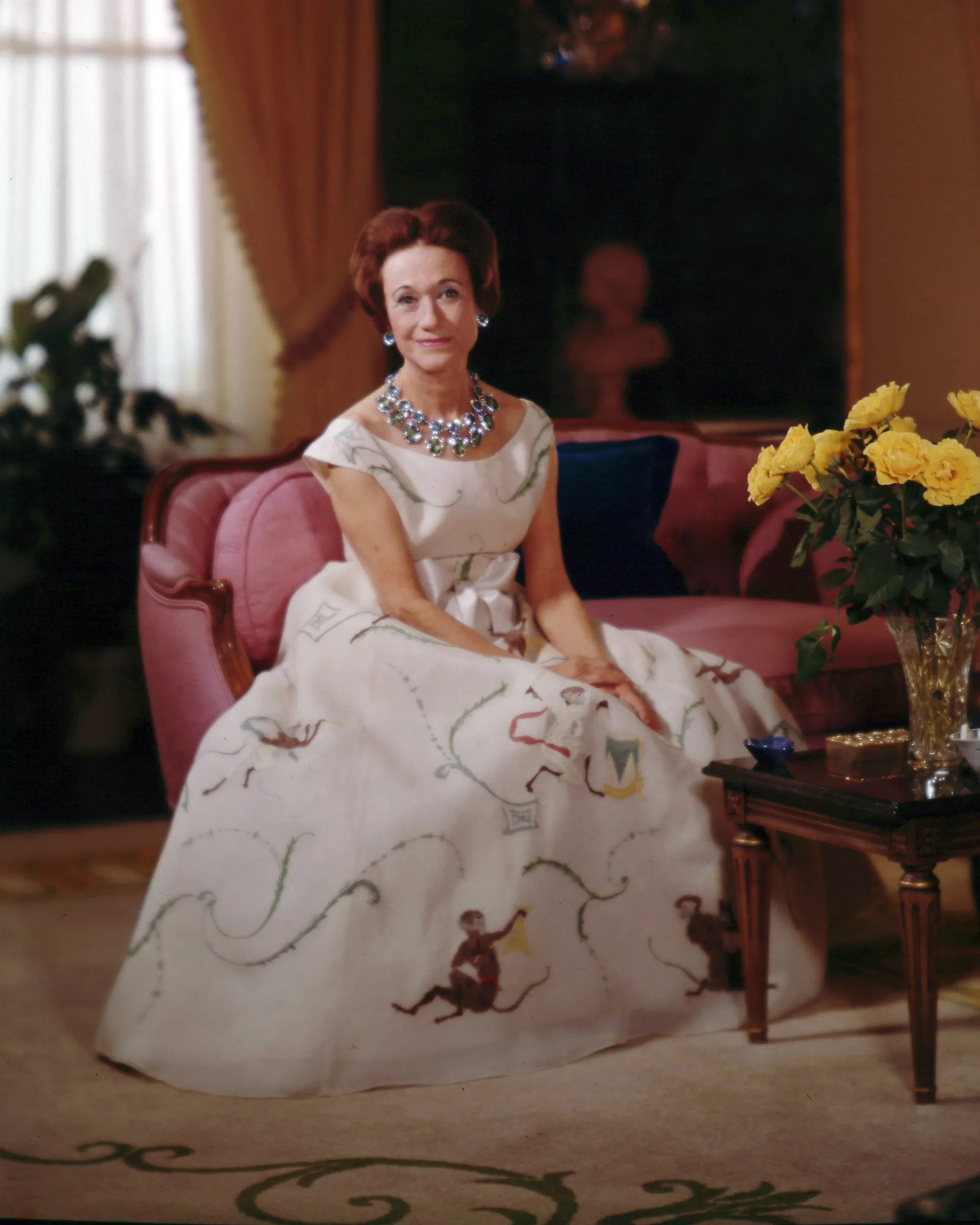
Luxury jewelry can communicate far more than wealth. It can preserve memories, express personal identity and record the relationships that shape a life. Few collections illustrate this more vividly than the jewels assembled by Wallis Simpson, the American-born Duchess of Windsor, and her husband, Edward VIII, who relinquished the British throne to marry her. Their shared fascination with exceptional gemstones and innovative design produced a collection whose influence continues to resonate across the worlds of royal history, fashion and high jewelry.
Simpson’s taste differed from the traditional conventions associated with royal adornment. Rather than relying exclusively on formal heirlooms and established ceremonial styles, she favored striking, sculptural pieces that reflected the modern design sensibilities of the Art Deco era. Her jewelry frequently featured bold combinations of diamonds, emeralds, rubies and sapphires, with animal motifs, geometric forms and personal inscriptions giving individual pieces a distinctive character.
Cartier became one of the most important creative partners in the couple’s collecting journey. The house produced several celebrated designs for the Duchess, including the panther-inspired jewels that would become closely associated with her style. These pieces transformed an animal motif into a sophisticated expression of elegance, combining onyx, diamonds and carefully articulated settings to create jewelry that felt almost sculptural.
Van Cleef & Arpels also played a significant role in the collection. Its designers helped develop pieces that combined technical precision with imaginative forms, reflecting the couple’s interest in jewelry that could be both luxurious and unconventional. Their commissions demonstrated how leading jewelry houses could interpret a client’s personal tastes while pushing the boundaries of established design traditions.
The relationship between jewelry and personal history was especially visible in Simpson’s engagement ring. Created by Cartier, the ring featured a substantial emerald surrounded by diamonds and carried an inscription commemorating the couple’s engagement. Such details gave the collection a narrative dimension, turning individual objects into records of important moments in their lives.
Edward’s gifts were often similarly personal. Bracelets and other pieces carried dates, initials or short messages, transforming precious materials into private expressions of affection. These inscriptions also offered later collectors and historians a glimpse into the emotional significance attached to the objects. For Simpson, jewelry was not simply an accessory added to an outfit. It was an integral part of how she presented herself to the world.
Her approach to dressing reinforced that philosophy. Simpson frequently favored relatively simple silhouettes, allowing a dramatic brooch, bracelet or necklace to command attention. The contrast between restrained clothing and elaborate jewelry gave individual pieces greater visual impact. It also helped establish a recognizable style that influenced perceptions of modern luxury and remains relevant to contemporary collectors.
The collection’s history was not without controversy. The couple’s departure from Britain following Edward’s abdication placed their lives outside the conventional framework of the monarchy. Their circumstances, changing finances and complicated historical reputation formed the backdrop to a collection that grew through commissions, acquisitions and carefully chosen gifts. The jewelry ultimately became inseparable from the broader story of their relationship and their position beyond the royal establishment.
Following Simpson’s death, her jewelry collection was dispersed through a major Sotheby’s auction. The sale attracted international attention and generated approximately $50 million, substantially exceeding expectations. Proceeds were directed to the Institut Pasteur in Paris, reflecting Simpson’s wish to support medical research. The auction also helped establish the collection as a landmark in the history of jewelry collecting, demonstrating the extraordinary appeal of pieces that combined distinguished craftsmanship with compelling personal histories.
Many of the jewels have continued to attract interest when they reappear at auction. Their value rests not only in the rarity of the gemstones or the reputation of their makers, but also in the distinctive stories attached to them. For collectors, the combination of historical significance, artistic integrity and personal symbolism creates a level of appeal that conventional luxury alone cannot provide.
The legacy of Wallis Simpson’s collection extends beyond the individual pieces that survive today. It illustrates how a strong personal aesthetic can influence the way jewelry is designed, worn and remembered. By embracing bold forms and meaningful details, the Duchess helped define a style that was unmistakably her own.
Decades later, her jewels remain a reminder that the most enduring luxury objects are rarely defined by material value alone. Their significance emerges from the meeting of craftsmanship, individuality and history, allowing each piece to retain a story long after its original owner is gone.
.jpg)