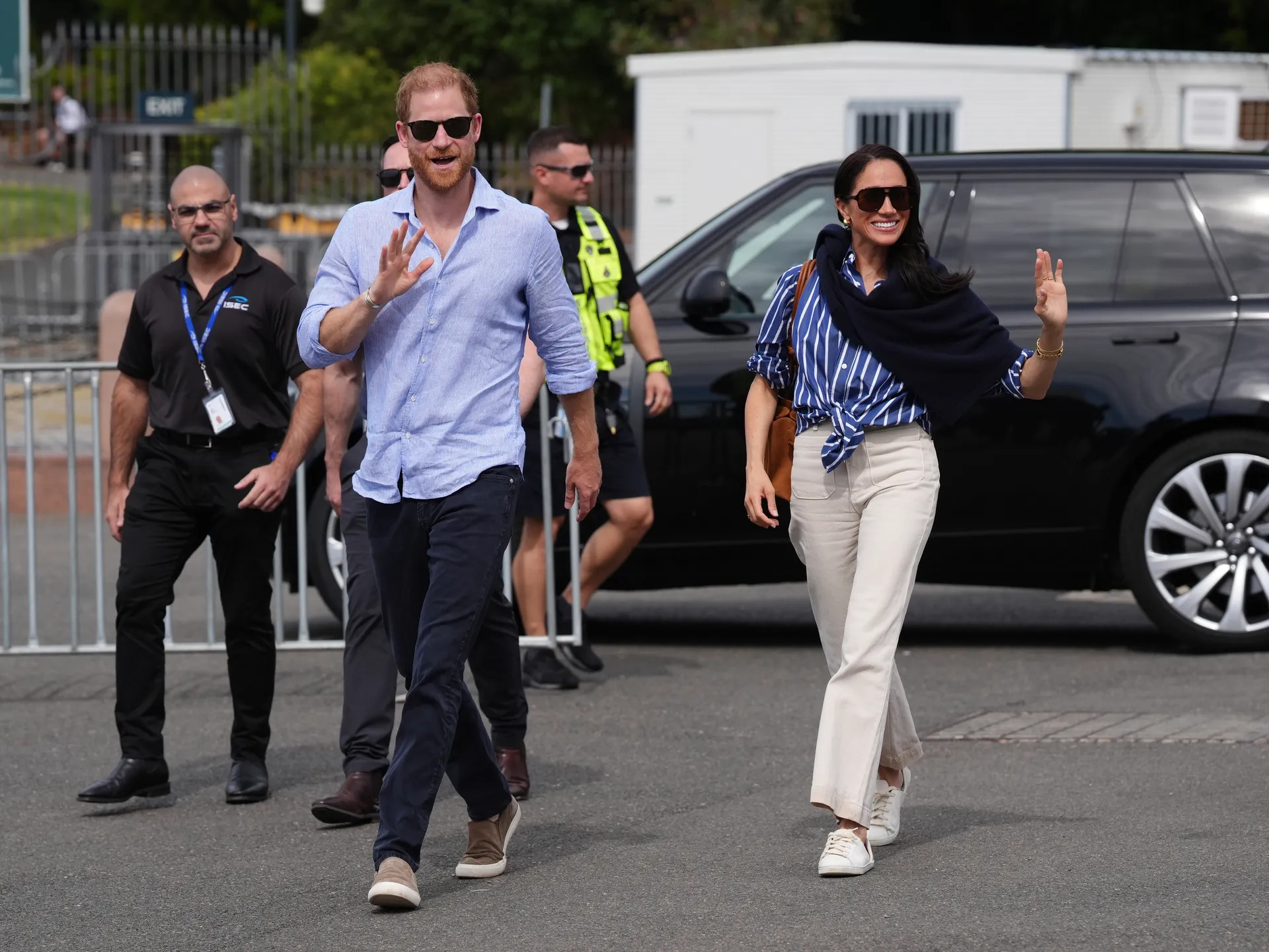
Some of the most meaningful philanthropic partnerships begin with a shared belief that opportunity should not depend on where a person is born. For Meghan Markle and Malala Yousafzai, that belief has long centered on girls’ education and the barriers that prevent millions of young women from reaching their potential. Their connection has developed through public conversations and advocacy, bringing together two prominent voices with different backgrounds but a common interest in advancing educational access.
Meghan, the Duchess of Sussex, was recently seen meeting Yousafzai, the Pakistani education activist and Nobel Peace Prize laureate, at Claridge’s in London. The gathering attracted attention not only because of the women’s established connection but also because it marked a notable public appearance for Meghan in Britain. Their meeting offered a reminder that education remains a cause linking their personal interests with their broader philanthropic work.
The pair first collaborated publicly during a virtual conversation marking the International Day of the Girl. Prince Harry joined Meghan and Yousafzai in discussing the obstacles that prevent girls from receiving an education, including poverty, discrimination and unequal access to learning opportunities. The conversation emphasized that educating girls can benefit families, communities and entire societies, making it an issue that extends far beyond the classroom.
Yousafzai’s advocacy is rooted in her own experience of challenging restrictions on girls’ education in Pakistan. After surviving an attack by the Taliban because of her campaign for the right to learn, she became an internationally recognized advocate. Through the Malala Fund, she has continued working to ensure that girls can access free, safe and quality education. Her efforts have helped bring attention to the educational inequalities that persist across regions and economic circumstances.
Meghan has also made women’s empowerment and educational access recurring themes in her public work. Before marrying into the British royal family, she spoke frequently about gender equality and the importance of giving women greater opportunities. Her later charitable activities continued to reflect an interest in social inclusion, community support and initiatives intended to improve outcomes for women and children.
Their shared commitment gives the relationship a foundation beyond public appearances. While both women maintain distinct professional identities, their work illustrates how advocates from different fields can use their platforms to draw attention to common concerns. Yousafzai approaches the issue through sustained education campaigning and institutional advocacy, while Meghan has combined charitable engagement with public communication and entrepreneurial projects.
The meeting also comes as Meghan and Harry continue to shape their lives outside the formal structure of the British royal family. Since stepping back from senior working royal duties, the couple have pursued independent projects through their philanthropic organization and media activities. Their public appearances are therefore connected to a different model of engagement, one that combines personal interests, charitable causes and selected professional commitments.
Meghan’s lifestyle brand, As Ever, has added another dimension to her public identity. The brand’s commercial activities operate separately from the work of education-focused organizations, but partnerships that direct proceeds toward charitable causes can create opportunities to connect consumer activity with philanthropy. The effectiveness of such initiatives ultimately depends on transparency, implementation and the support they generate for the intended beneficiaries.
For Yousafzai, the broader objective remains clear: ensuring that girls are not excluded from education because of poverty, conflict, discrimination or inadequate infrastructure. Access to learning can strengthen economic independence, improve health outcomes and enable young women to participate more fully in public life. Yet achieving those outcomes requires long-term investment, effective policy and support from governments, communities and civil society.
The meeting between Meghan and Malala therefore represents more than a high-profile social encounter. It brings renewed attention to an issue that affects generations and demands sustained international cooperation. Their continued association may help keep girls’ education in public conversation, while the wider challenge remains turning awareness into measurable progress.
Ultimately, the importance of their shared cause lies in the opportunities it seeks to create. When girls can learn safely and complete their education, they gain greater control over their futures and the ability to contribute to the communities around them. That principle remains central to the work of both women and to the global effort to make education accessible to every girl.
.jpg)