For some members of the British royal family, public service begins with a clearly defined role. For others, it emerges from circumstances that reshape their lives long before they are old enough to understand the responsibilities involved. Prince Edward, the Duke of Kent, belongs to the latter story. His life has been marked by family tragedy, a lifetime of ceremonial commitments and a steady presence within the monarchy across several generations.
The eldest child of Prince George, Duke of Kent, and Princess Marina of Greece and Denmark, Edward inherited his father’s title when he was only six years old. His father died in a plane crash while serving during the Second World War, leaving the young prince to grow up with a position in the royal family shaped by an early and profound loss. The experience placed him within a tradition of duty before he had reached adulthood.
Edward’s upbringing unfolded during a period of significant change for the British monarchy. His family connections linked him closely to Queen Elizabeth II, while his public responsibilities gradually developed into a career that would span decades. Rather than becoming known for a high-profile personal brand, he built a reputation around continuity, formal engagements and support for a wide range of charitable and civic organizations.
Military service formed an important part of his early adult life. Edward served in the British Army before moving into a more extensive programme of royal duties. Over time, he became associated with organizations covering education, culture, health, sport and community service. His patronages have extended across more than 140 organizations, reflecting the broad reach of his public commitments.
One of his most recognizable associations has been with the All England Lawn Tennis and Croquet Club, the organization responsible for the Wimbledon Championships. His long connection with the club placed him within one of Britain’s most internationally recognized sporting institutions. The role illustrates how royal patronage can connect ceremonial responsibilities with the preservation of sporting traditions and national cultural life.
Edward’s personal life also became part of his public story through his marriage to Katharine Worsley. The couple married at York Minster in a ceremony that departed in several respects from the conventions of royal weddings. Their marriage brought together royal heritage and a more private approach to family life, and they went on to have three children.
Katharine developed her own identity through music and charitable work. A trained musician with a longstanding interest in making musical education more accessible, she founded Future Talent with music teacher Nicholas Robinson. The organization supported young musicians from backgrounds where financial barriers could limit opportunities. She later stepped back from royal duties and maintained a comparatively private public profile.
Her death, following a long life, marked a deeply personal loss for the Duke of Kent. The passing of his private secretary, Nicholas Turnbull, added to a period of bereavement. These losses formed a difficult backdrop to Edward’s milestone birthday, bringing renewed attention to the human experiences behind his public position.
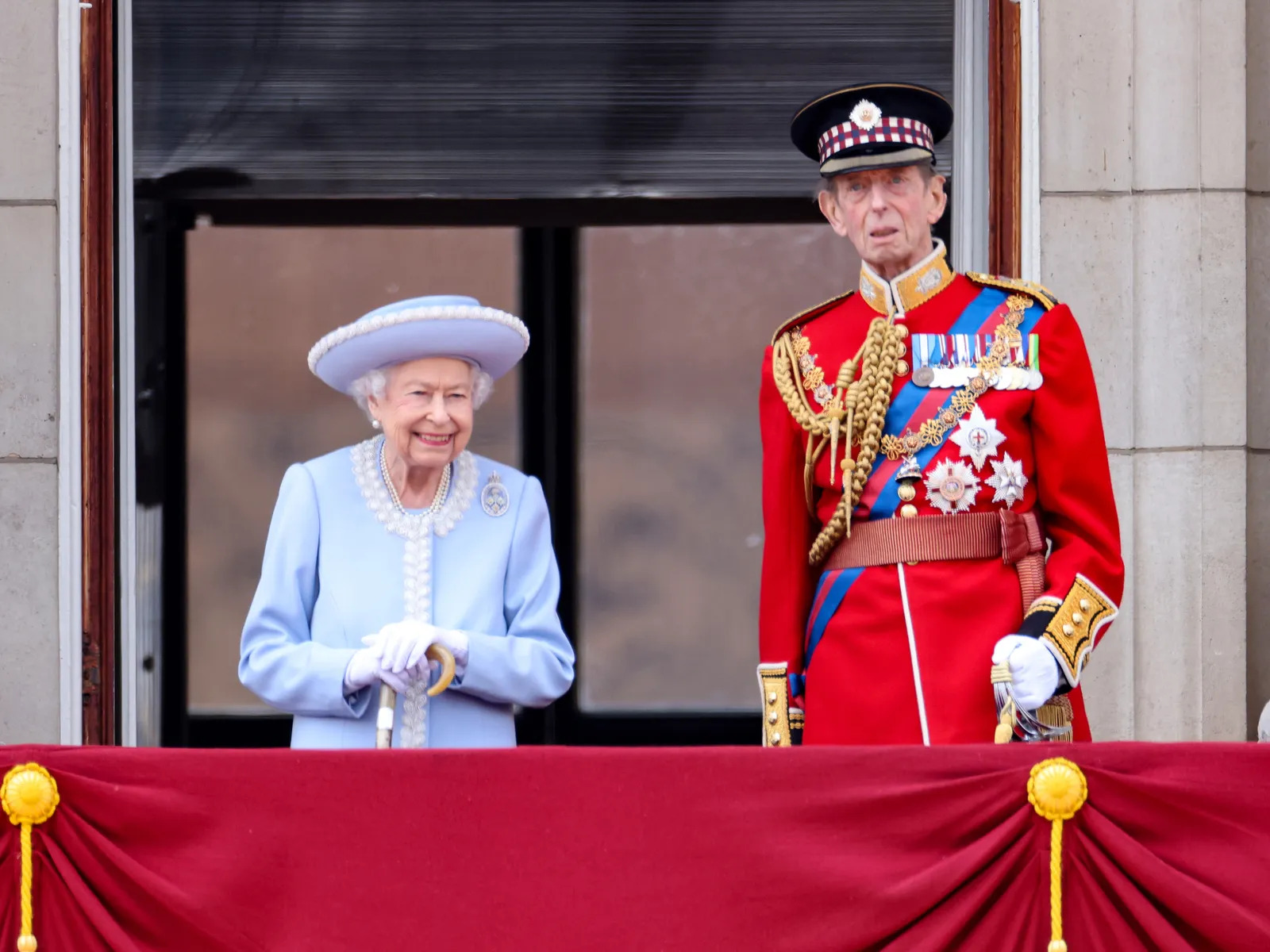
His continuing presence at royal and state occasions has also reflected the changing demands placed on the monarchy. As King Charles III’s reign progresses, senior members of the family continue to represent the institution at commemorations, ceremonies and other formal events. Edward’s experience and long-standing relationships have made him a familiar figure at such occasions, connecting contemporary royal life with earlier chapters of the institution’s history.
The Duke of Kent’s story is not defined by a single dramatic event or public achievement. Instead, it has been shaped by a succession of responsibilities, personal relationships and periods of change. His longevity within royal life offers a perspective on the monarchy as an institution sustained not only by its most visible figures but also by members whose work often takes place away from daily headlines.
At 91, Prince Edward’s legacy rests on decades of service, the relationships that shaped his life and the responsibilities he assumed at an unusually young age. His journey reflects the quieter side of royal duty, where continuity and commitment can become as important as visibility.
.jpg)