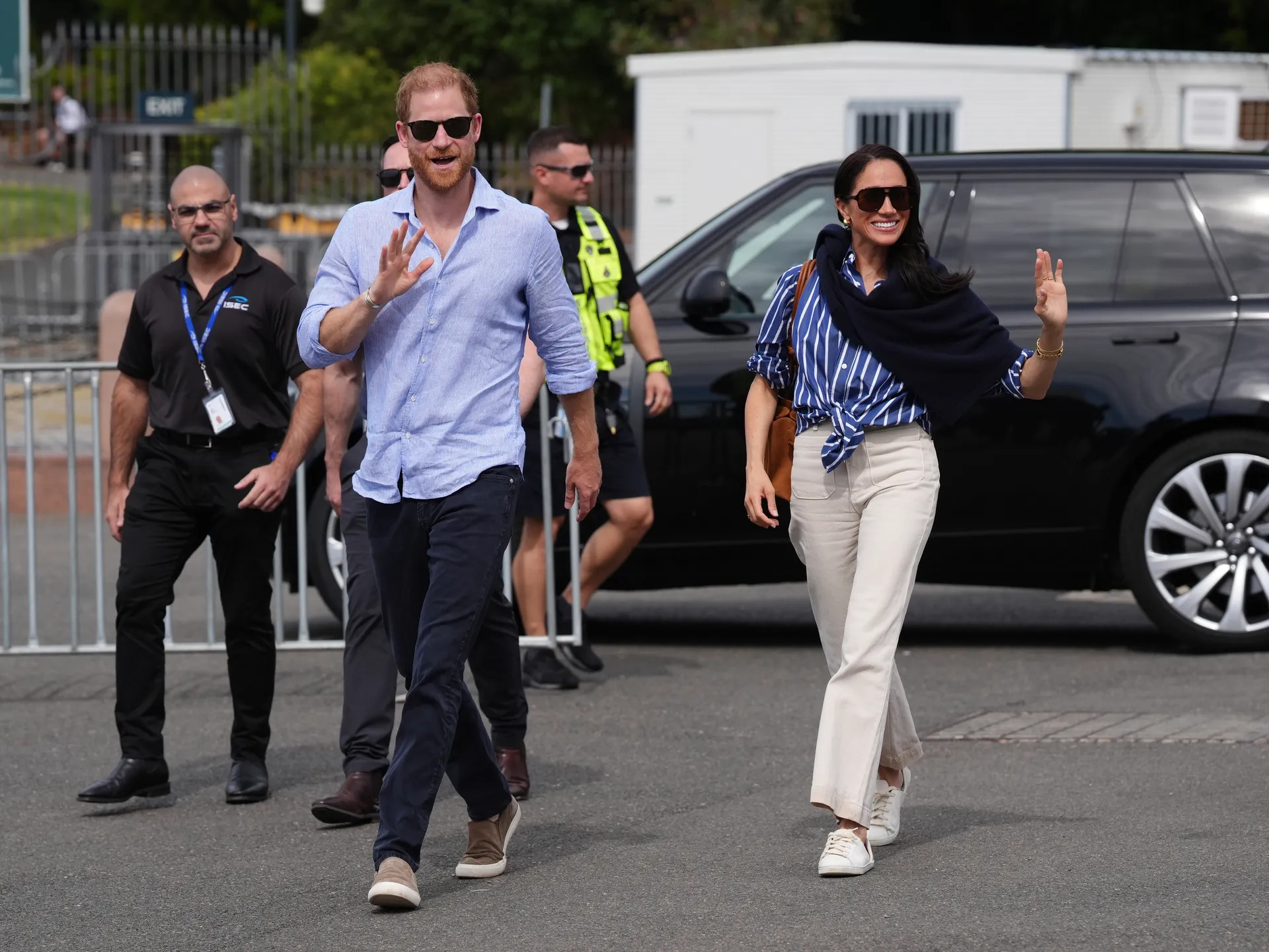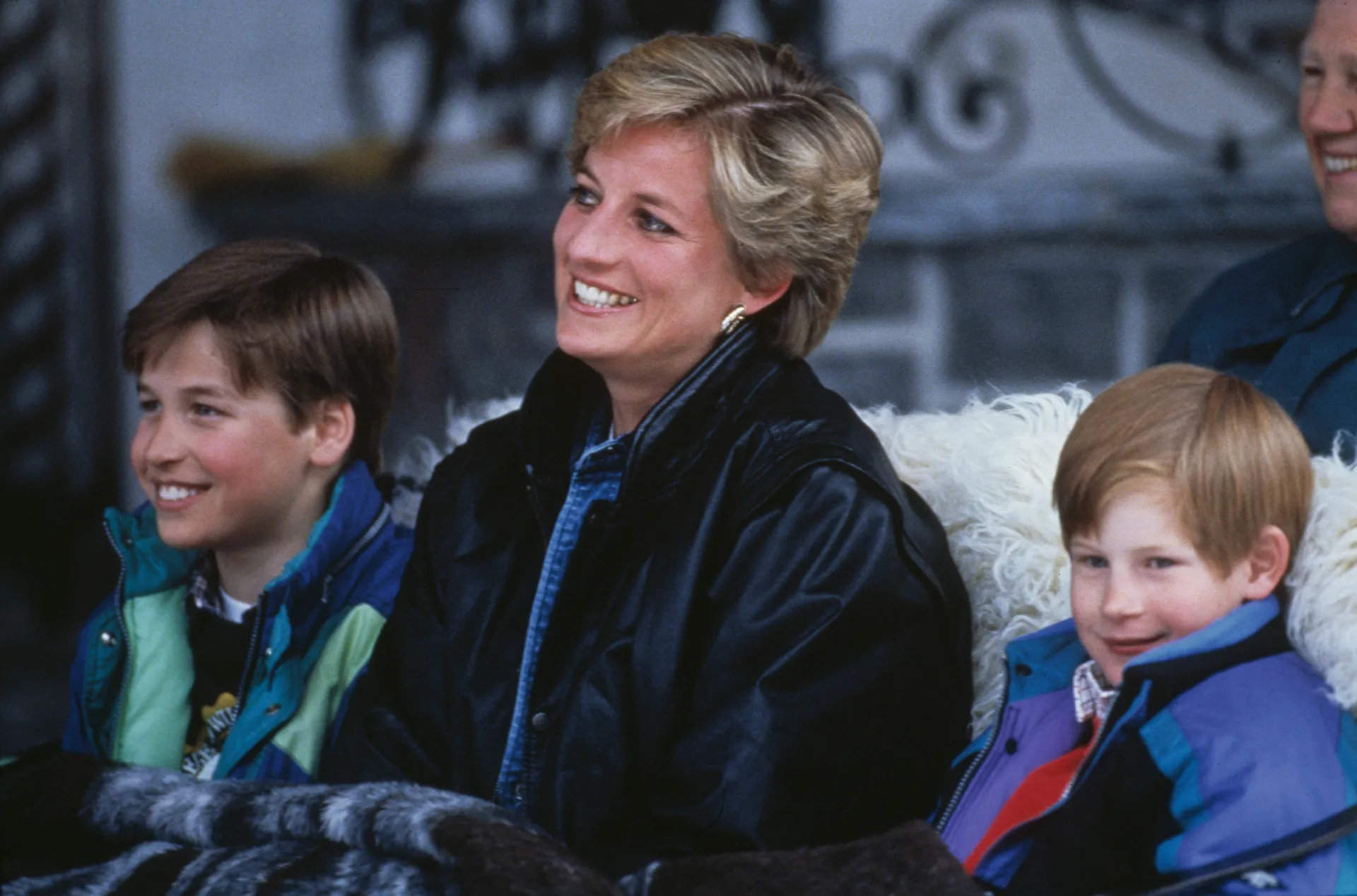
Princess Diana’s influence continues to shape the British royal family decades after her death. Her humanitarian work, distinctive public presence and relationship with her sons have secured her a lasting place in modern royal history. Yet the question of how best to preserve her memory has become increasingly personal for Prince William and Prince Harry, whose differing approaches to public remembrance reflect both their individual experiences and the distance that has grown between them.
According to Vanity Fair, Prince William has declined to participate in new documentaries being considered ahead of the 30th anniversary of Diana’s death. The Prince of Wales reportedly prefers to remember his mother privately and is reluctant to revisit the extensive public coverage surrounding the earlier anniversary. His decision comes as renewed interest in Diana’s story has been prompted by fresh accounts of her life and the continuing debate over how her legacy should be represented.
William and Harry previously worked together on a documentary about their mother, sharing personal memories and discussing the impact she had on their childhoods. Their participation offered audiences an unusually intimate view of the brothers’ relationship with Diana, who died when they were still young. The project also allowed them to present their own recollections at a time when much of the public narrative about their mother had been shaped by media coverage.
The circumstances surrounding Diana’s death and the years leading up to it have remained deeply emotional subjects for both brothers. Growing up under intense public scrutiny, William and Harry experienced the loss of their mother while navigating the expectations attached to their royal positions. Although they shared the same family tragedy, their subsequent lives and public responsibilities have taken different directions.
Harry has reportedly been exploring the possibility of creating his own television documentary about Diana. The project would offer another opportunity to revisit her life, charitable work and influence on the causes he supports. His interest in such a tribute reflects his longstanding willingness to speak publicly about grief and the effect his mother’s death had on him.
The brothers’ different approaches do not necessarily mean that either is less committed to preserving Diana’s memory. William has generally maintained a more private approach to discussing his mother, while Harry has spoken openly about the emotional difficulties he experienced following her death. Their choices illustrate the varied ways in which people respond to loss, even when they share the same family history.
The renewed attention has also been intensified by the publication of Swan Song: Diana, My Sister, a memoir by Diana’s brother, Charles Spencer. The book revisits her life and family relationships, bringing fresh claims and interpretations into the public conversation. Some of its reported contents have generated tension within the wider royal family, demonstrating how personal recollections can reopen disagreements long after the events themselves.
Spencer’s account has also raised questions about who should have the authority to tell Diana’s story. As her brother, he brings a family perspective, while William and Harry have their own memories of her as their mother. Former members of Diana’s staff and other people who knew her have offered additional accounts over the years. Each perspective contributes to the historical record, although individual recollections may differ.
For William, the prospect of another documentary may carry an emotional cost that outweighs the benefits of participating. His public role as heir to the throne requires him to manage a wide range of responsibilities, while his family life remains an area he generally seeks to protect. A decision to avoid a documentary should therefore be understood as a personal choice rather than proof of any particular view about his brother or their uncle’s memoir.
Harry’s reported interest in a separate project would place him in a different position, allowing him to explore his mother’s influence through his own experiences and charitable commitments. Diana’s work with vulnerable people, including her efforts to draw attention to landmines and those affected by HIV and AIDS, remains an important part of the legacy he has continued to reference.
The brothers’ contrasting approaches also reflect a broader challenge in commemorating public figures whose private lives were intensely scrutinized. Documentaries can introduce new audiences to a person’s achievements, but they can also revive painful memories for relatives and those who knew them personally. The decision to participate is therefore not simply a matter of public relations.
As interest in Diana’s life continues, her sons remain central to how future generations will understand her story. Whether through a shared project, separate tributes or private remembrance, their choices demonstrate that preserving a legacy does not require a single approach. Diana’s influence endures through her charitable work, the memories of those who knew her and the different ways her sons continue to carry her story forward.
.jpg)