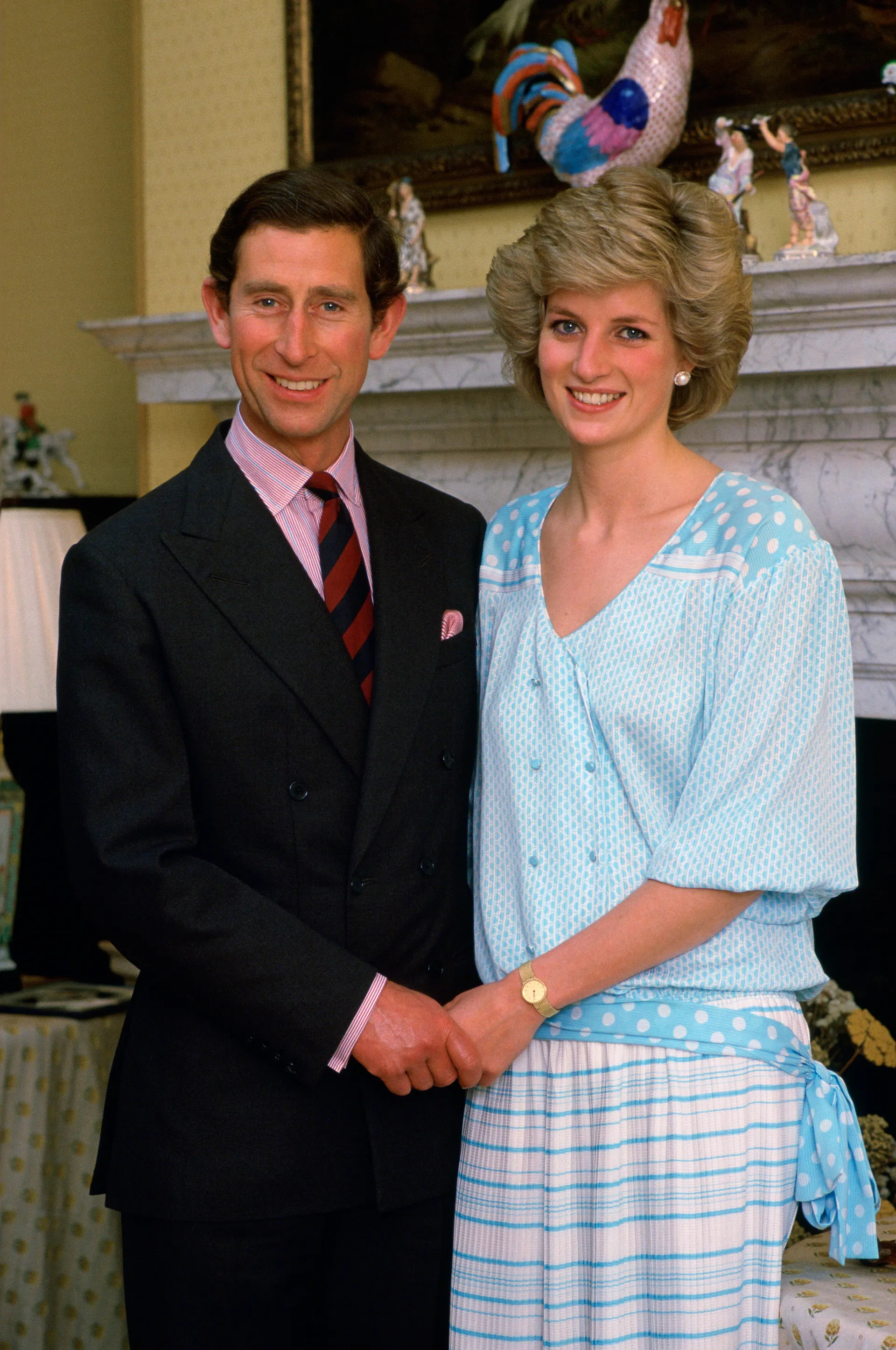
Behind the carefully managed appearances of the British royal family, personal relationships have sometimes unfolded under extraordinary pressure. Few stories illustrate that tension more clearly than the marriage of Princess Diana and King Charles III. Their relationship became a defining chapter in modern royal history, shaped by public expectations, private unhappiness and the persistent attention of the press. Now, Ken Wharfe, one of Diana’s former protection officers, has offered further reflections on the emotional strain she experienced during Charles’s relationship with Camilla.
Wharfe worked closely with Diana as a royal protection officer and witnessed aspects of her life that were rarely visible to the public. His recollections have gained renewed attention following the publication of Charles Spencer’s memoir, Swan Song: Diana, My Sister. The book revisits Diana’s experiences within the royal family and examines the personal circumstances surrounding her marriage, separation and lasting legacy.
In his reflections, Wharfe supports Spencer’s account of the distress Diana experienced during the breakdown of her marriage. His perspective is informed by his professional proximity to the princess, although it represents his recollection of events rather than a complete account of every private conversation or circumstance within the royal household.
The relationship between Charles and Camilla was a persistent source of difficulty in Diana’s marriage. Charles and Camilla had known each other before his marriage to Diana, and their continuing connection became a central issue in the couple’s eventual separation. Diana spoke publicly about the challenges of her marriage, most notably in a televised interview that exposed the depth of the personal difficulties behind the royal image.
For Diana, the experience unfolded under a level of scrutiny few people could imagine. Her clothes, public appearances, friendships and family life were closely examined, often turning private struggles into national discussion. The contrast between her public responsibilities and personal circumstances contributed to the enduring fascination with her story.
Wharfe’s recollections also touch on moments when Diana reportedly felt isolated during social occasions connected to the royal family. Such episodes, as described by those who knew her, have become part of the broader account of a marriage in which public appearances did not always reflect the emotional reality behind them.

Spencer’s memoir adds another family perspective to this history. As Diana’s younger brother, he experienced her life both as a sibling and as a witness to the consequences of her marriage to the heir to the throne. His account revisits difficult memories and raises questions about how Diana was treated within the royal institution. Some of his claims have prompted disagreement, underlining the need to distinguish personal recollections from independently established facts.
Buckingham Palace has also responded to allegations made in Spencer’s book concerning conversations after Diana’s death. The disagreement illustrates how memories of the princess continue to carry emotional weight for those who knew her, as well as for the institution with which her life was so closely associated.
Diana’s legacy remains particularly important to her sons, Prince William and Prince Harry, whose public lives have been shaped in different ways by their mother’s memory. Both have supported charitable causes connected to issues she championed, including humanitarian work and support for vulnerable people. Their individual approaches to discussing her life reflect the deeply personal nature of grief and remembrance.
The renewed attention surrounding Wharfe’s comments also highlights the role of former royal staff in shaping public understanding of the monarchy. Their experiences can provide valuable context, but recollections made years later must be considered alongside other accounts and available evidence.
Ultimately, Diana’s story cannot be reduced to the difficulties of her marriage alone. She developed a distinctive public voice, supported charitable causes and connected with people who often felt overlooked. Her influence continues through the work of her sons and through the ongoing interest in her life, character and experiences.
Wharfe’s reflections offer another perspective on a painful period in Diana’s life. Together with Spencer’s memoir, they invite renewed examination of the personal cost of living within a highly scrutinized institution, while reminding readers that the full story of a complex relationship cannot be captured by any single account.
.jpg)