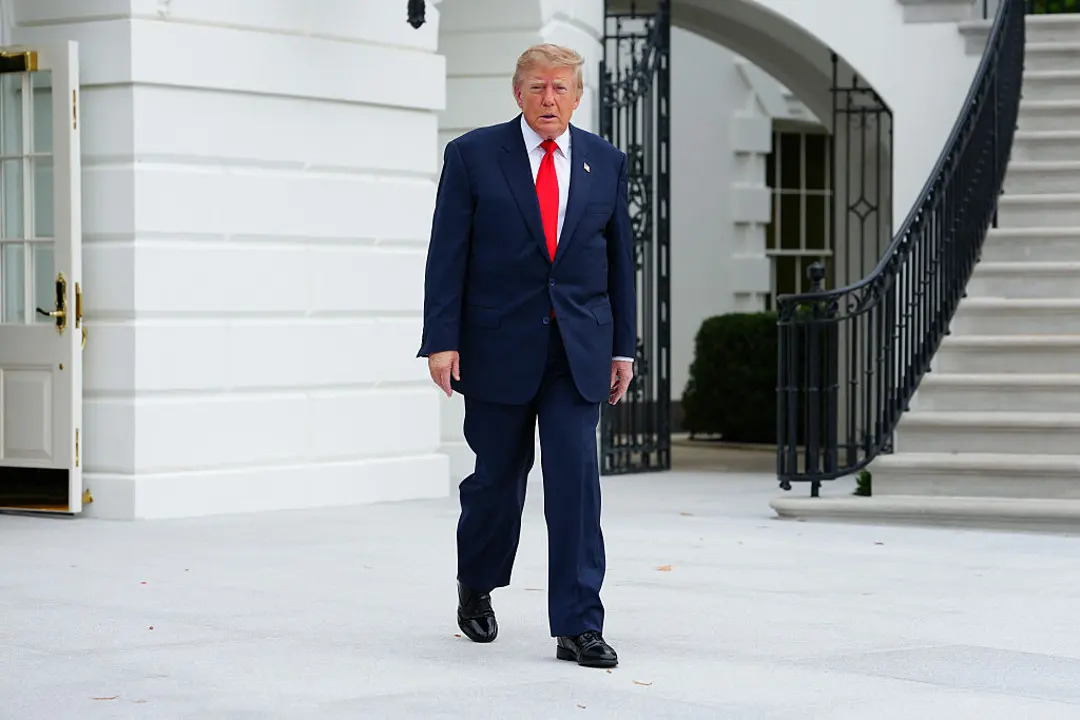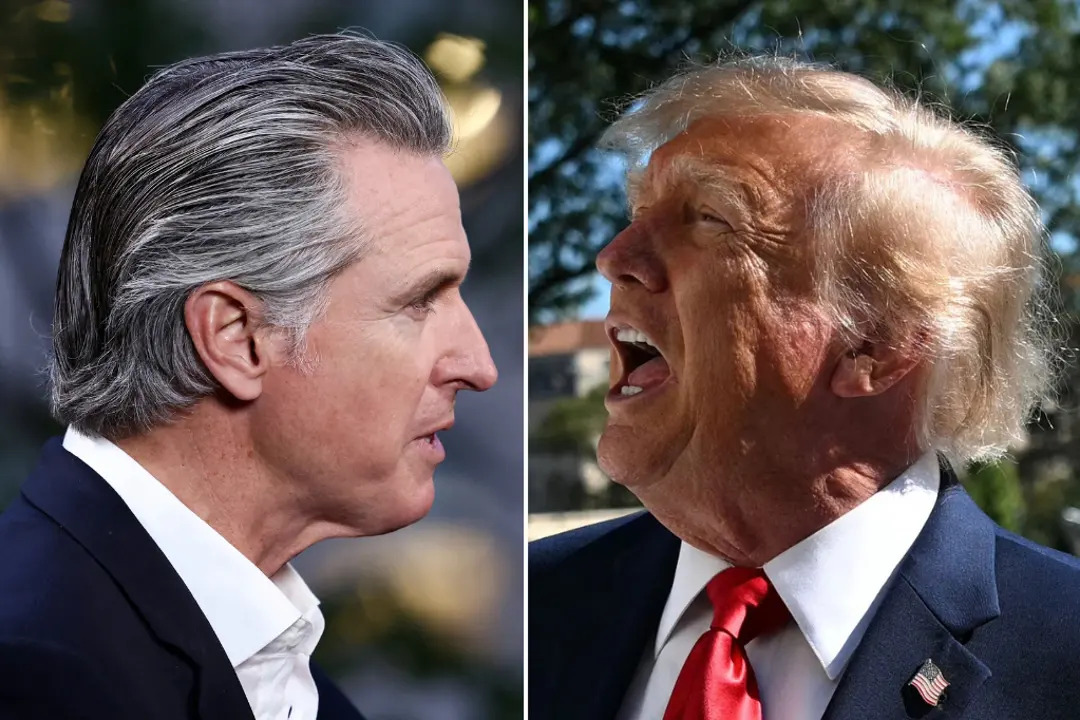
California Governor Gavin Newsom called for the invocation of the 25th Amendment after Trump made comments at a rally in Nebraska suggesting that Iran could “take out” Los Angeles and San Diego. Newsom condemned the remarks and urged political leaders to consider the constitutional provision governing presidential succession and incapacity.
Trump’s comments came as he defended the ongoing war with Iran and argued that the economic costs associated with the conflict were justified by the objective of protecting the United States and the wider world. Referring to higher prices and the possibility of further fighting, he said that allowing the conflict to continue carried a relatively small cost compared with the security benefits he believed it would deliver.
However, his references to Los Angeles and San Diego prompted immediate criticism from California officials. Newsom argued that the president’s language was dangerous and could be interpreted by foreign adversaries in ways that might put American communities at risk. He also announced that California’s State Threat Assessment Center would actively monitor potential threats in response to the controversy.
The reaction extended beyond the governor’s office. Los Angeles Mayor Karen Bass described Trump’s remarks as irresponsible, arguing that a president’s responsibility is to protect American citizens rather than suggest that attacks on major cities could be an acceptable consequence of military policy. San Diego Mayor Todd Gloria similarly rejected the idea that his city should be treated as expendable in discussions about the war.
The comments also drew criticism from some Republicans. Jim Desmond, a Republican candidate for Congress in California and a Navy veteran, said that protecting Americans should remain a central responsibility of the commander-in-chief. His response illustrated how the controversy crossed party lines, even as many of the strongest objections came from Democratic officials.
The White House defended Trump’s remarks, maintaining that his broader point was that the United States needed to prevent Iran from developing the capability to threaten American cities. FactCheck.org, examining the full context of the speech, reported that the president’s wording was confusing but concluded that the remarks did not appear to constitute an endorsement of an Iranian attack. Trump subsequently returned to the subject at a rally in Texas, saying that the United States would protect its cities and would not allow such an attack to happen.
The dispute has nevertheless intensified scrutiny of the administration’s handling of the war. Critics have questioned the duration and costs of the conflict, while the White House has continued to present its military objectives as necessary for national security. The disagreement reflects a wider political debate about the balance between military action abroad, economic consequences at home and the responsibilities of presidential leadership.
The 25th Amendment establishes procedures for presidential succession and for addressing situations in which a president is unable to discharge the powers and duties of office. Its most relevant provisions allow the vice-president and a majority of the principal officers of the executive departments to declare a president unable to serve, subject to a constitutional process involving Congress if the president contests the declaration. A governor cannot invoke the amendment independently, and political criticism alone does not activate it.
Newsom’s call therefore represents a political demand rather than a formal constitutional action. Whether it gains support among federal officials remains a separate question from the controversy surrounding Trump’s language.
The episode underscores how presidential statements can have consequences beyond domestic political debate, particularly during an active international conflict. It also demonstrates the importance of clear communication when national security, civilian safety and military strategy are being discussed. As the confrontation with Iran continues, the administration faces scrutiny over both its stated objectives and the way it explains the risks and costs of pursuing them.