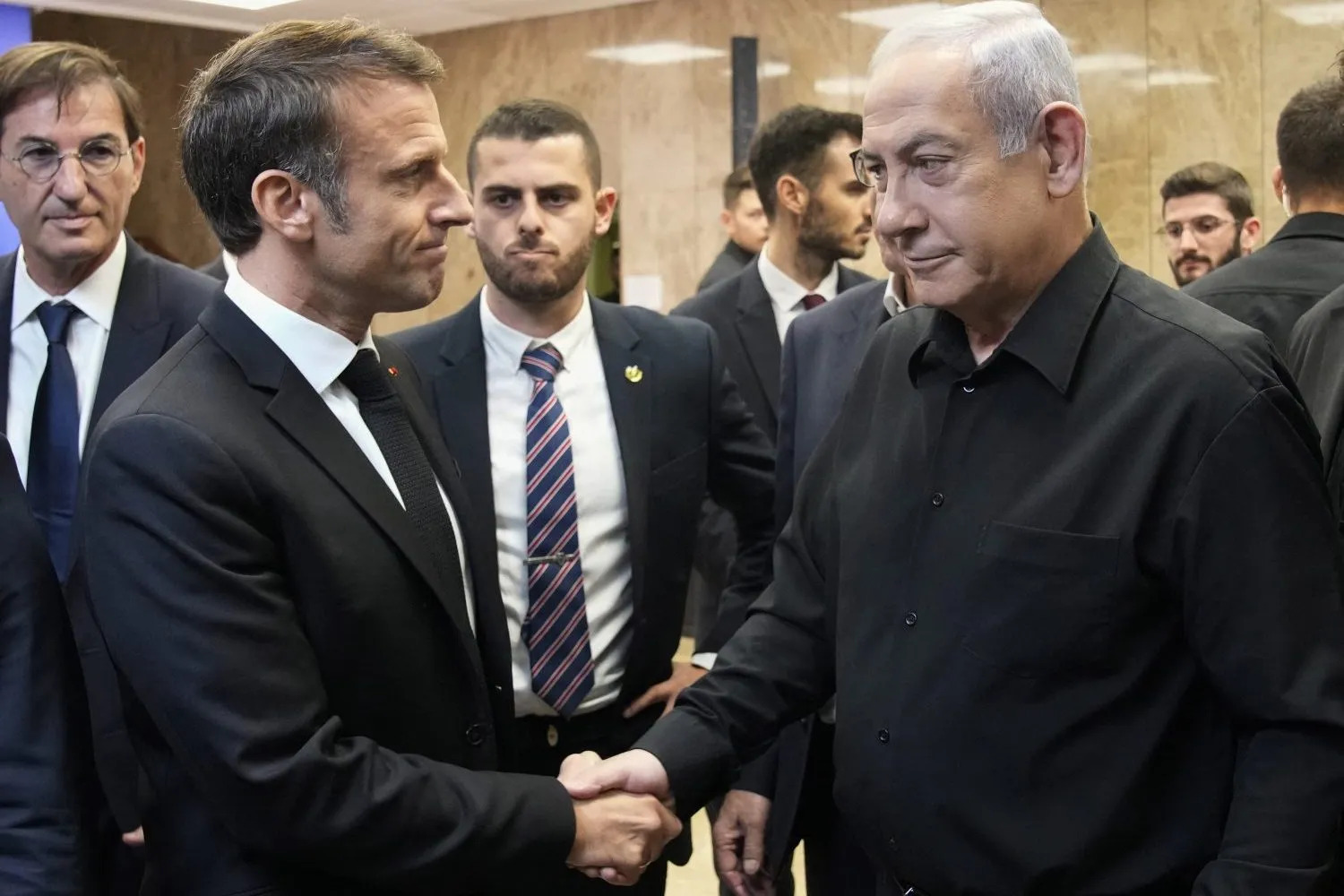
The European Union has long struggled to establish a unified approach towards Israel. Although individual European governments have taken measures in response to settlement expansion and violence in the occupied West Bank, the bloc as a whole has been more cautious. Internal disagreements have limited its ability to use the economic influence it possesses as Israel’s largest trading partner.
Recent developments suggest that this approach may be changing. Britain announced restrictions on imports from West Bank settlements, supported by Canada and several European countries. The measures reflect growing concern about settlement activity and the implications it may have for the prospects of a negotiated two-state solution. Israel has criticised the restrictions, while supporters argue that economic measures can create incentives for policy change.
The debate is not new. Historical experience shows that coordinated international pressure can influence Israeli decision-making, particularly when it involves financial support and diplomatic relationships. In 1991, following the Gulf war, American President George H. W. Bush used Washington’s influence to encourage Israel to participate in the Madrid Peace Conference. The following year, his administration withheld $10 billion in loan guarantees amid disputes over settlement expansion. The episode demonstrated how economic leverage can become part of a broader diplomatic strategy.
The present circumstances are different, but the underlying question remains relevant: how can external partners encourage Israeli leaders to reconsider policies that undermine the possibility of lasting peace? European governments have several potential instruments, including trade restrictions, arms-related measures and targeted sanctions against individuals associated with settlement activity or violence.
The European Union’s economic relationship with Israel gives it considerable potential influence. However, deploying that influence requires political agreement among member states, many of which have different historical relationships with Israel and differing views on the conflict. Without coordination, individual national measures may have limited impact. A more consistent European position could carry greater diplomatic weight while establishing clearer expectations about settlement policy and the protection of Palestinian communities.
The United States remains central to any serious peace initiative because of its longstanding security and diplomatic relationship with Israel. Yet the Trump administration’s attention has been divided by the war involving Iran and preparations for the American midterm elections. According to the analysis published by Foreign Policy on October 5, 2026, this creates an opening for European governments to take a more active role while Washington is less engaged.
The situation in the West Bank makes that opportunity particularly important. Settlement expansion, attacks involving Israeli settlers and tensions between Israeli forces and Palestinians have contributed to an increasingly volatile environment. Continued deterioration could undermine prospects for a viable Palestinian state and complicate efforts to implement any broader agreement concerning Gaza.
European diplomacy cannot resolve these challenges through sanctions alone. Economic measures would need to form part of a wider strategy that includes sustained engagement with Israeli and Palestinian representatives, cooperation with regional partners and support for credible negotiations. Measures should also be designed carefully, with clear objectives and consistent legal standards, to avoid becoming symbolic gestures without measurable outcomes.
Ultimately, Europe's influence will depend on whether its governments can move beyond statements of concern and agree on practical steps. Coordinated trade policy, targeted restrictions and sustained diplomatic engagement could help create conditions for renewed negotiations. The objective should not be confrontation for its own sake, but a framework that encourages accountability and preserves the possibility of a political settlement.
As American priorities shift and tensions in the occupied territories continue, Europe faces a choice about the role it wants to play. By combining economic influence with a coherent diplomatic strategy, European governments have an opportunity to contribute more directly to Middle East peace. Whether they can overcome internal divisions and sustain that effort will determine how much of that opportunity becomes reality.