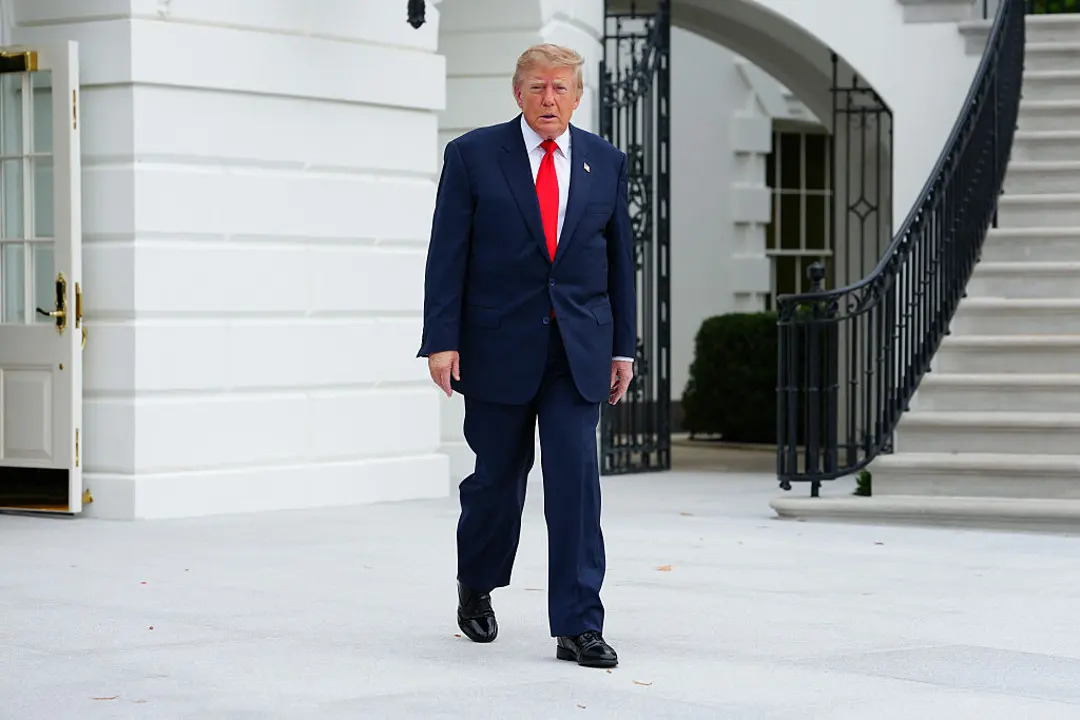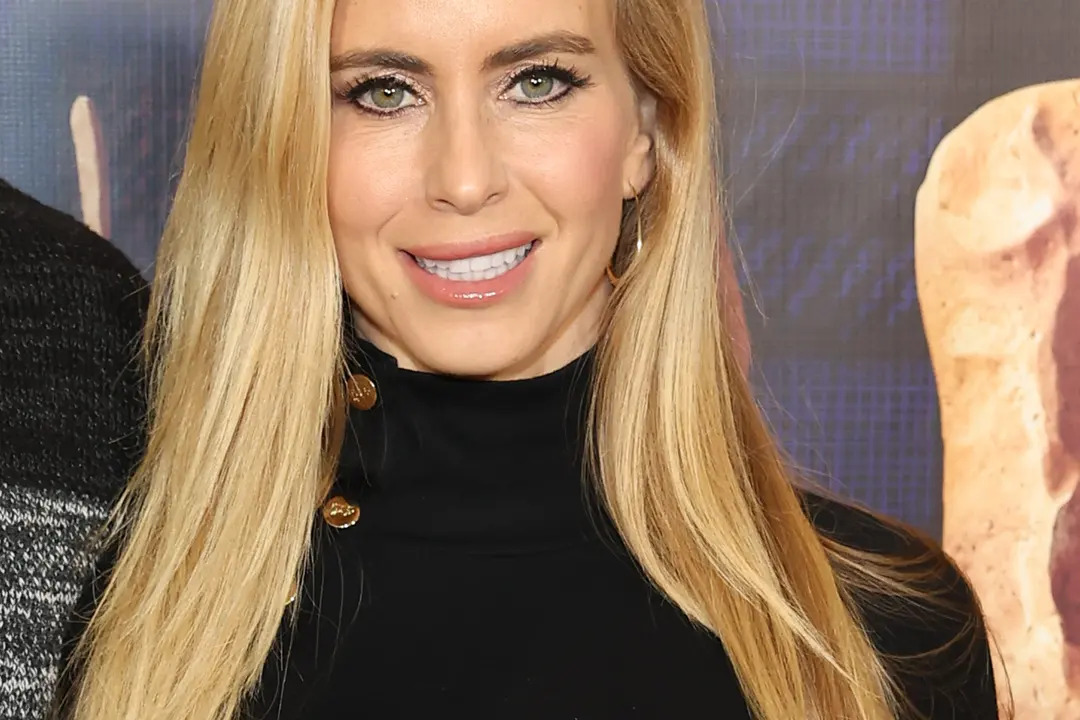
President Donald Trump announced that conservative commentator Katie Zacharia would become the next White House press secretary, replacing Karoline Leavitt, who stepped down from the position in August. The appointment places a communications adviser with experience in conservative media and government messaging at the centre of the administration’s relationship with journalists.
Zacharia currently works as a communications adviser at Trump Media and Technology Group, the company behind Truth Social, the president’s social media platform. She previously served as a spokesperson at the Department of Homeland Security under former secretary Kristi Noem and has appeared regularly on conservative television networks, including Fox News and Newsmax.
In a statement posted on X, Zacharia described the appointment as the honour of a lifetime and pledged to communicate the administration’s achievements to the American public. Trump praised her loyalty and experience in his announcement on Truth Social, expressing confidence that she would work effectively with the media, the public and his administration.
Zacharia’s professional background also includes legal and political advocacy work. She earned her degree from Pepperdine Caruso School of Law and served as general counsel for nearly three years at Fix California, a conservative nonprofit founded by Ric Grenell, who served as acting director of national intelligence during Trump’s first administration. In June 2026, she was also appointed to the advisory board of Vancouver-based mining company NovaRed Mining Inc., according to the company announcement cited in the report.
The timing of the appointment has drawn attention because the White House has gone an extended period without a formal press briefing. According to the report, the administration had not held one for 36 days as of October 10, with the most recent briefing taking place in early September when Vice-President JD Vance addressed reporters. The date on which Zacharia will formally assume her new duties has not been announced.
Her predecessor, Leavitt, became the youngest White House press secretary in history when she took the role at 27. Known for forceful exchanges with journalists and sharp responses during briefings, she became a prominent public representative of the administration. After announcing her departure, Leavitt said she would continue advocating for Trump and the Republican Party while spending more time with her family.
Leavitt has since joined Fox News as an on-air contributor, with her new role scheduled to begin on November 1. Trump previously said she would remain an outside adviser and play a role in Republican efforts ahead of the midterm elections.
Zacharia will inherit a challenging media environment. The administration’s relationship with several major news organisations has been contentious, particularly following restrictions on access to the White House and presidential travel. In September, the administration barred POLITICO, CNN and MS NOW from White House grounds. A federal judge subsequently issued a temporary restraining order against the ban, restoring access while the legal dispute continued. Further restrictions involving press access aboard Air Force One have also attracted criticism.
The new press secretary will also take up the role amid political and economic pressure surrounding the administration’s handling of the war in Iran and its effects on inflation. With congressional elections approaching in November, communication strategy is likely to remain an important part of the White House’s political agenda.
Zacharia’s appointment therefore represents more than a personnel change. Her tenure will test how the administration manages daily media engagement, communicates its policies and responds to scrutiny during a period of heightened political tension. The extent to which formal briefings resume and relations with news organisations evolve will be closely watched as the administration approaches a consequential electoral period.