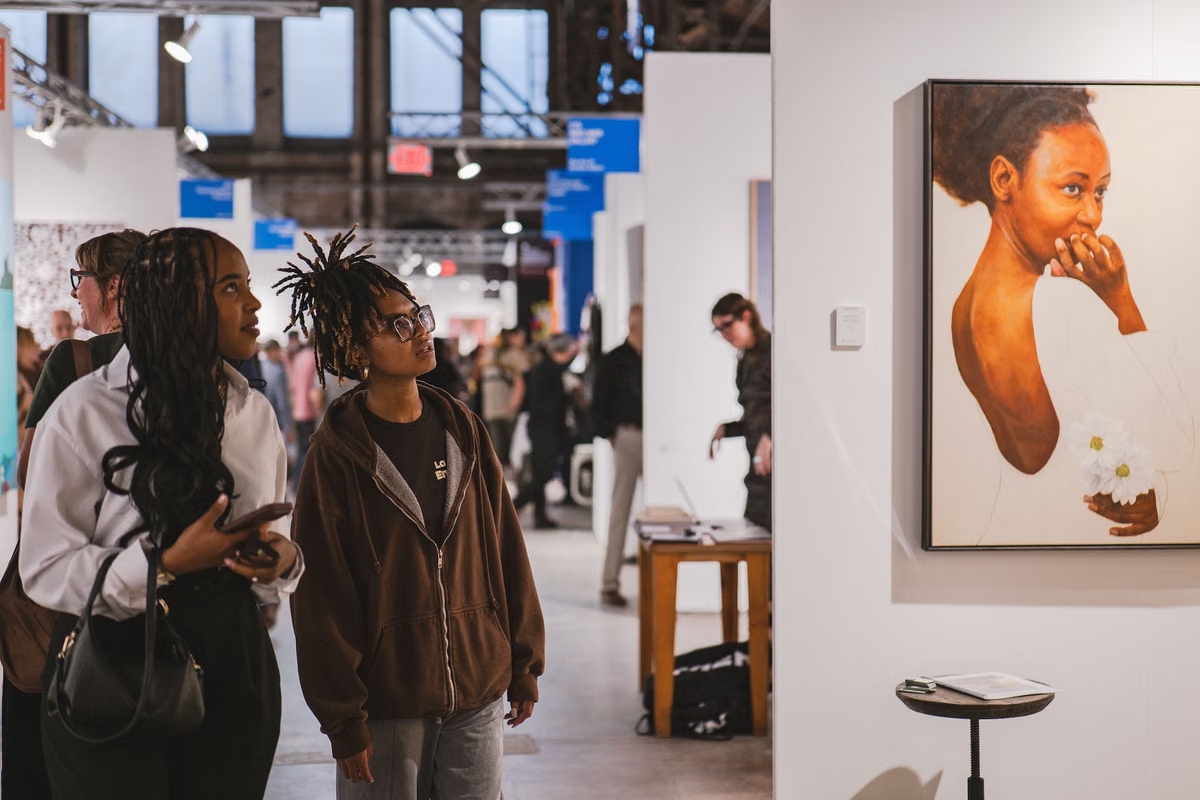
A thriving art scene depends on more than galleries and collectors. It requires artists willing to experiment, institutions prepared to invest in new ideas and communities that recognize the value of creative work. The Atlanta Art Fair is bringing these elements together as it develops into an increasingly important platform for contemporary art in the American South. Its latest edition combines an expansive international programme with a strong commitment to local talent, offering a picture of a city whose cultural ambitions continue to grow despite persistent challenges.
Held at Pullman Yards, a striking former industrial complex, the fair’s third edition features 83 exhibitors, making it its largest presentation so far. The range of work spans mixed-media compositions by Atlanta-based artist Amy Rader, painted puzzles by Jeffrey Wilcox Paclipan and pop-culture imagery constructed from film strips by Michael Kalish. International artists also feature prominently, including South African artist Esther Mahlangu, whose work is presented by San Francisco’s Art of Contemporary Africa, and Rafael Domenech, whose large-scale installation forms part of the fair’s public projects programme.
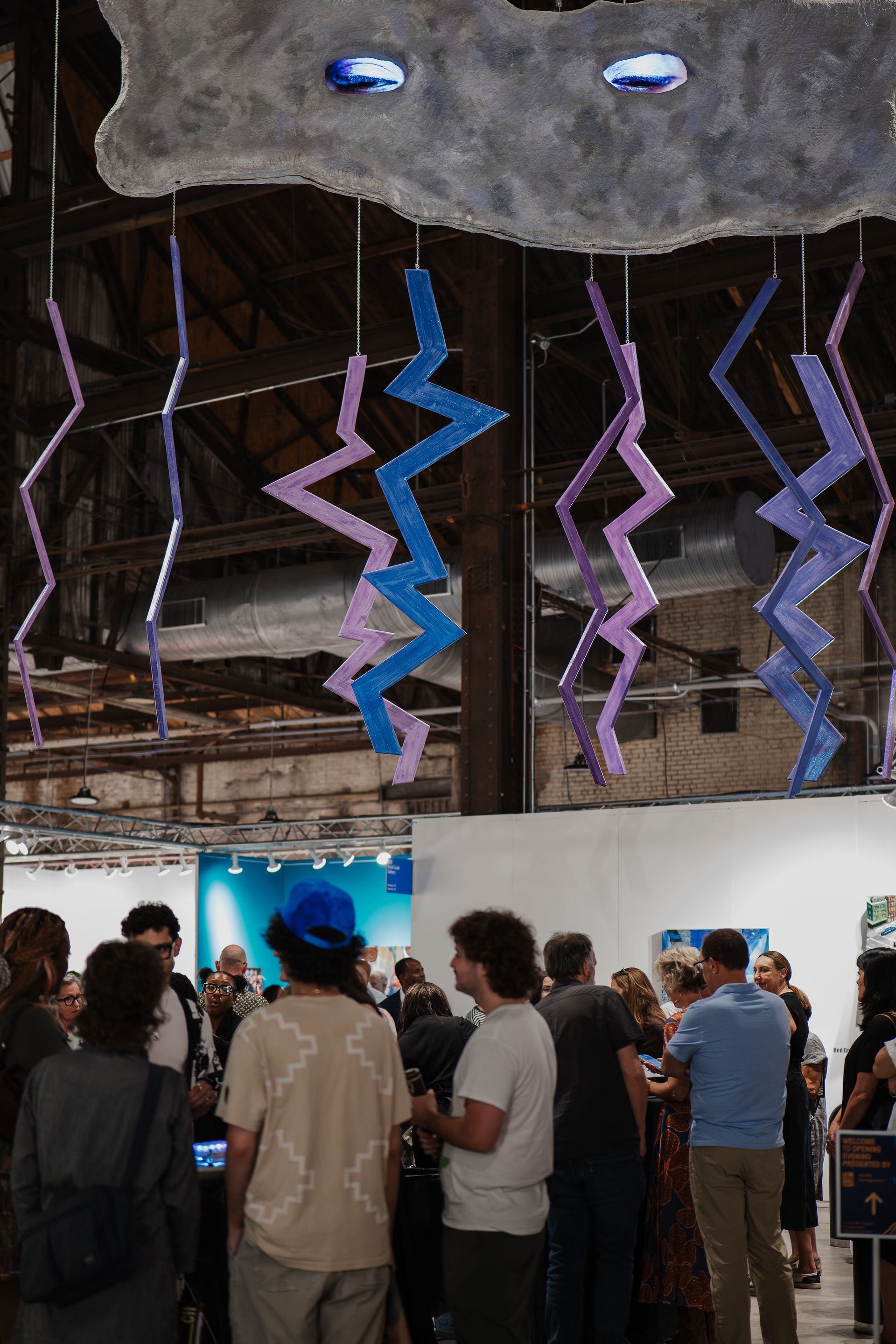
The variety could easily have overwhelmed visitors, but the industrial architecture provides a cohesive setting for the different artistic approaches. At the centre, a large sculpture resembling a blinking cloud by Los Angeles-based artist Trulee Hall creates a striking focal point. Artistic director Nato Thompson has observed that the fair’s vibrant, pop-influenced aesthetic responds to an audience seeking something emotionally engaging in uncertain times.
That atmosphere is closely connected to Atlanta’s own creative identity. Local muralist Charity Hamidullah and painter Christopher James McAdoo have emphasized the strength of the city’s talent pool, describing artistic resourcefulness as one of its greatest advantages. McAdoo’s observation that “the struggle creates genius” captures a wider reality for artists working in regions where public funding and institutional support can be limited. Collaboration and persistence often become essential to sustaining creative careers.
Atlanta’s art market has experienced considerable change in recent years. Atlanta Art Week helped bring galleries, advisers and collectors into closer contact, while earlier attempts to establish new commercial spaces revealed the difficulties of building a lasting market. The Atlanta Art Fair has emerged as the city’s only event of its kind, giving local galleries a shared platform while introducing outside dealers to the region’s artists and potential buyers.
The commercial response has been encouraging. During opening night, dealer Scott Zieher sold three works to private buyers: a book-based artwork by James Allen for $2,800, a photograph by Atlanta artist Caroline Allison for $8,000 and a drawing by Anthony Miler for $800. Harlem-based Claire Oliver Gallery sold a sculpture by Carlos Betancourt for $20,000 within an hour of opening, while Atlanta’s Luca Fine Art sold a large portrait by French artist Lis Sam for $30,000.
These transactions suggest that the fair can generate meaningful business across several price levels. However, questions remain about the depth of Atlanta’s collector base. Some dealers believe local buyers have traditionally purchased art in other cities, making relationship-building and sustained engagement particularly important. For galleries participating from outside the region, the event offers an opportunity to establish connections rather than simply pursue immediate sales.
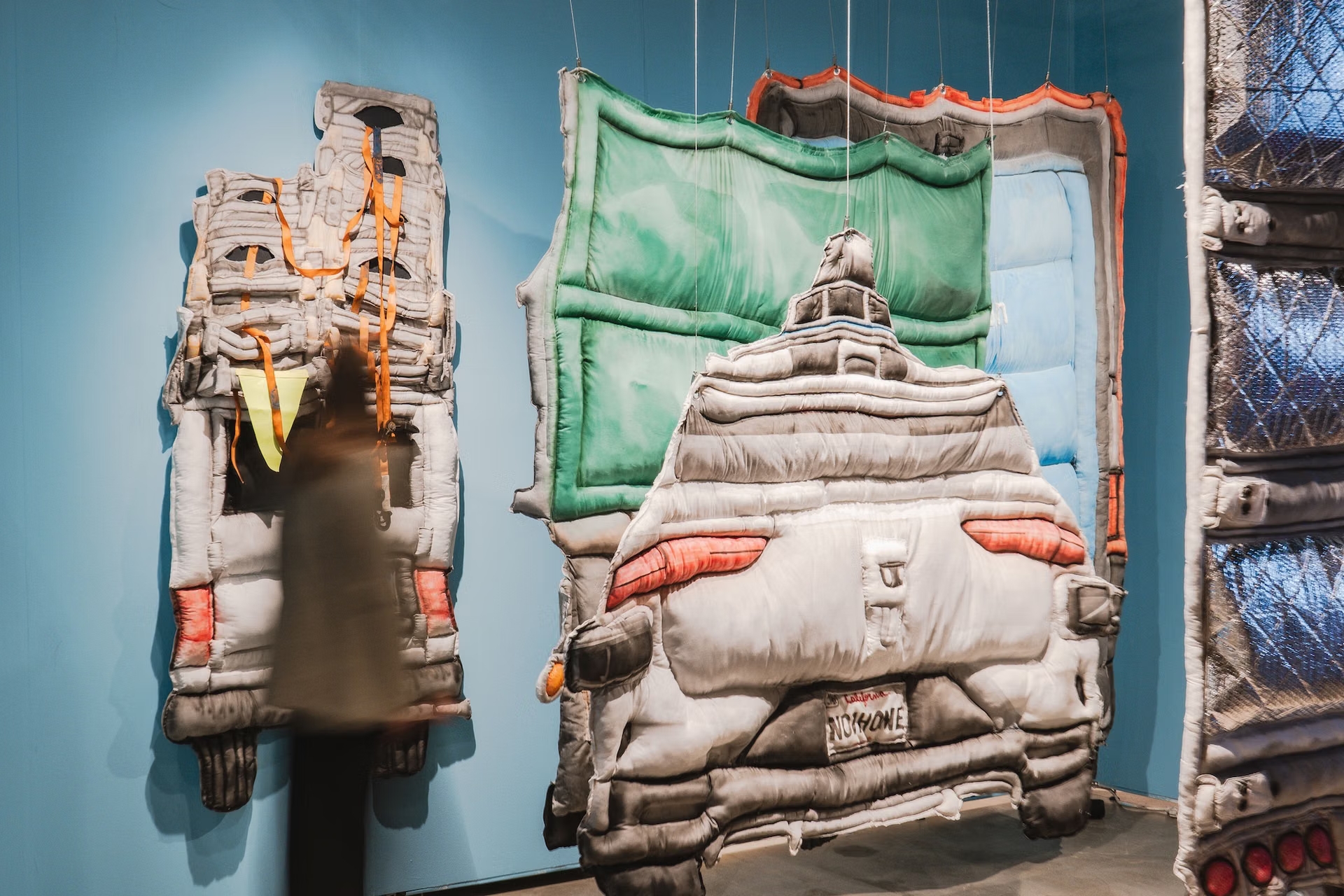
The fair is also expanding geographically, attracting galleries from Charlotte, Los Angeles, Kingston, Jamaica and Wisconsin. Despite this broader participation, Atlanta-based galleries remain central to its identity, ensuring that the event reflects the city’s creative community rather than functioning solely as an imported marketplace.
For artists and dealers, the next challenge is to turn early enthusiasm into lasting support. Sales and attendance can demonstrate momentum, but a durable art ecosystem also requires repeat collectors, sustainable gallery operations and opportunities for artists to develop their work over time.
One moment during the opening programme captured that need particularly clearly. Atlanta artist Tariqa Waters hosted a gameshow-style event that invited participants to consider what art would become without the art world. When sculptor Grace Kisa was asked what would improve Atlanta’s scene, her answer was simple: “Support.” The audience responded with applause.
That response points to the fair’s larger significance. Its growth is not measured only by the number of exhibitors or the value of individual sales, but by its ability to strengthen relationships between artists, galleries and audiences. Atlanta’s creative community has already demonstrated resilience. The continuing task is to ensure that this energy develops into a sustainable foundation for the artists whose work gives the city its cultural character.