For decades, Shenzhen has been defined by its extraordinary capacity to build, manufacture and innovate. What began as a major experiment in economic reform has grown into one of China’s most influential technology centres, home to companies that have reshaped industries around the world. Yet as the city matures, a new question is emerging: can a metropolis associated with speed, industry and invention develop a cultural identity that feels equally distinctive? The Róng Museum of Art is preparing to explore that possibility.
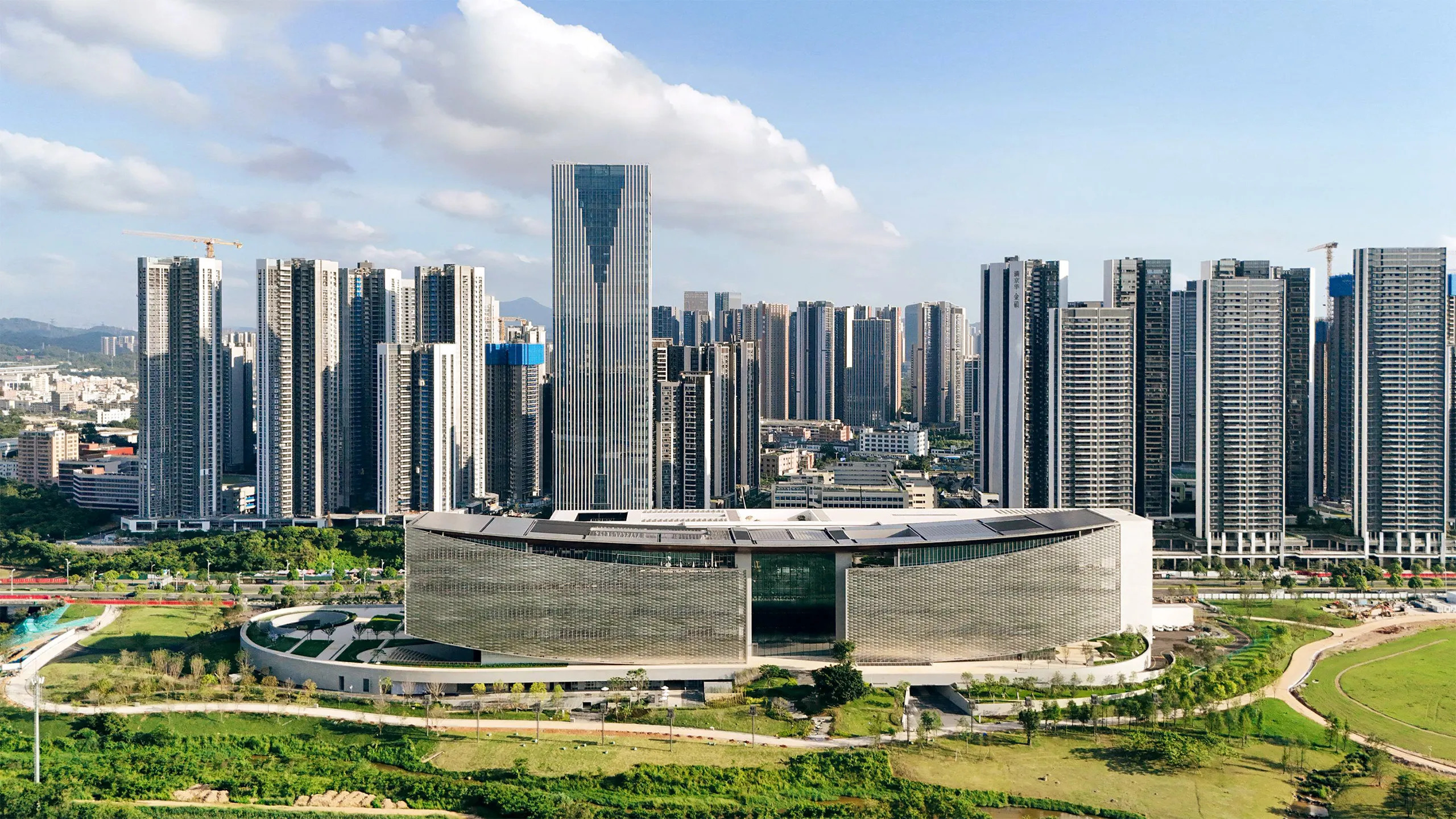
Planned as a major addition to Shenzhen’s cultural landscape, the private institution is backed by Pony Ma, co-founder of technology giant Tencent. It will form part of the M80 complex, designed by architect Ole Scheeren, and is expected to focus on contemporary visual arts, performing arts and digital culture. Its ambitions extend beyond displaying artworks. The museum aims to create a platform where international creative perspectives can meet the experiences and ideas shaping Shenzhen itself.
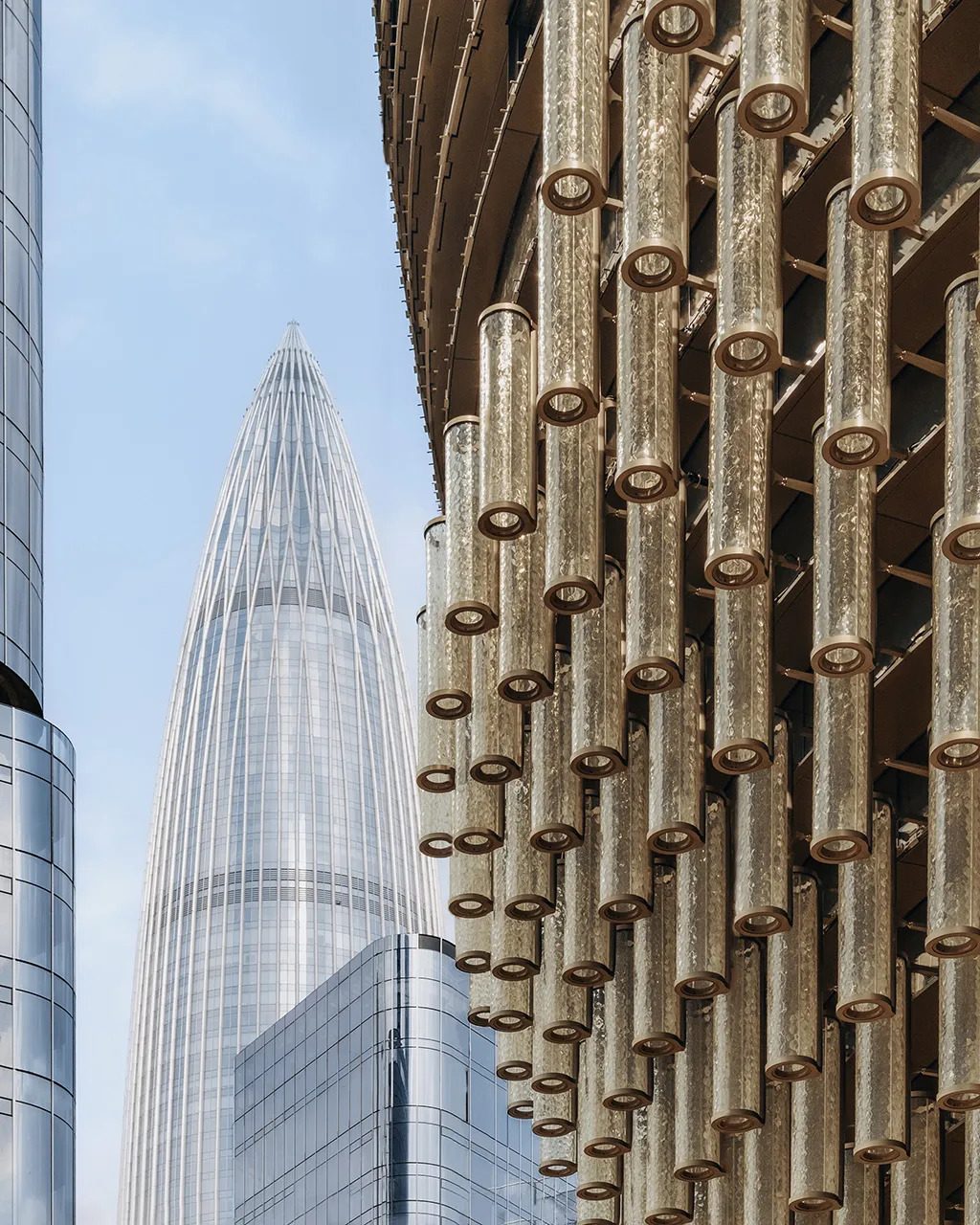
At the centre of the project is founding director Pi Li, whose professional background includes senior roles at Hong Kong cultural institutions M+ and Tai Kwun Contemporary. Having spent years working within Hong Kong’s established arts environment, Pi brings an international outlook to a city whose cultural institutions are still developing their own audiences and traditions. His appointment signals an intention to build a museum that engages with global conversations while remaining closely connected to its local surroundings.
The name Róng carries meanings associated with merging, combination and harmony. Those ideas inform the museum’s proposed approach to programming, which is designed to bring different disciplines and cultural perspectives into dialogue. Rather than presenting Shenzhen as a finished cultural destination, the institution intends to examine how its identity has evolved, from its history as a centre of manufacturing and imitation products to its current role in technology development and open-source artificial intelligence.
That history offers rich material for artists and curators. Shenzhen’s growth has been shaped by migration, industrial ambition and the arrival of successive generations seeking employment and opportunity. Many residents originally came from elsewhere in China, but their children have grown up identifying with the city. This emerging generation, sometimes described as the second generation of Shenzhen, is helping establish a more rooted local identity in a place once understood primarily as a destination for work.
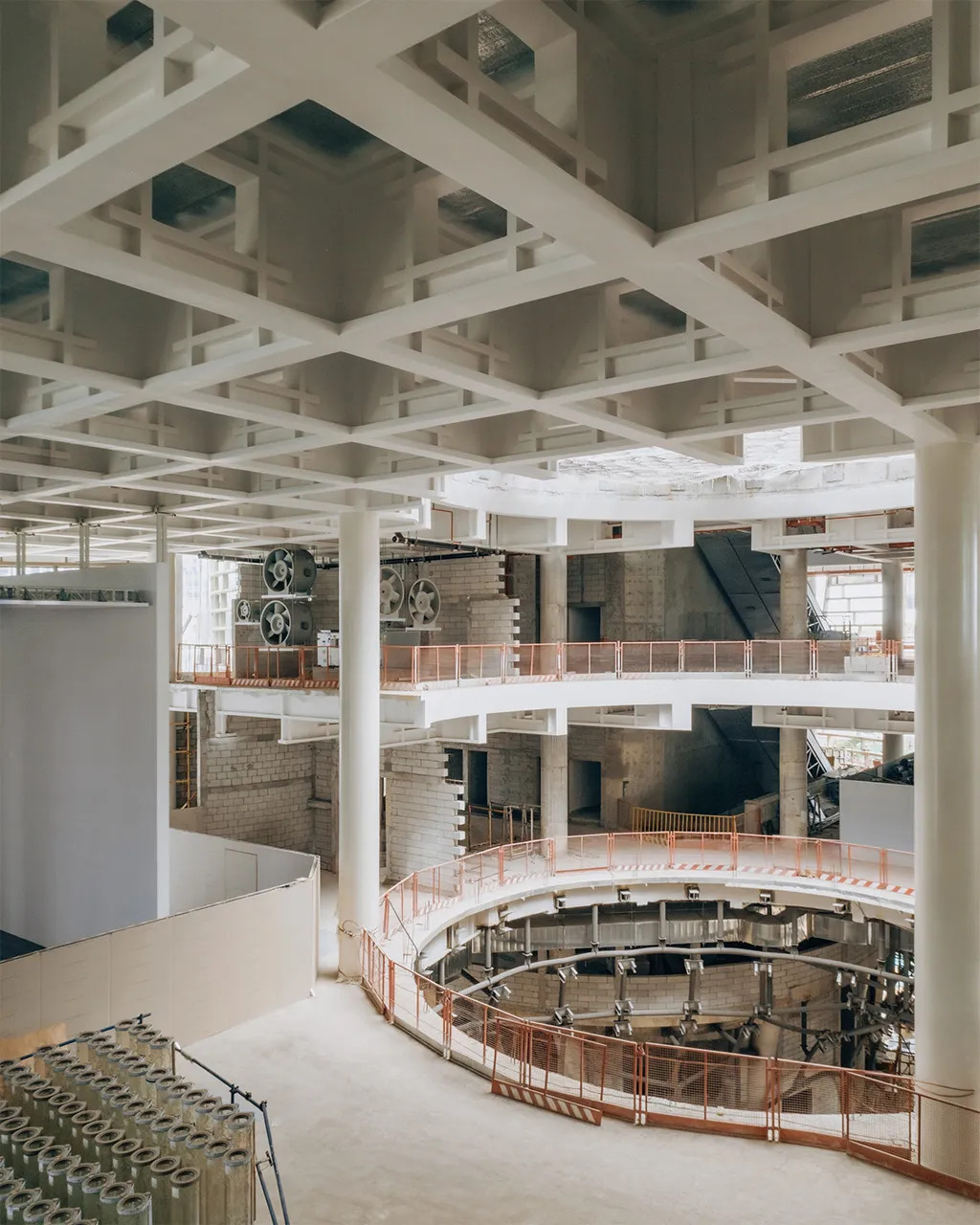
The museum’s challenge will be to translate that changing identity into a compelling cultural programme. Shenzhen has a young population and a demanding professional rhythm, with many residents spending long hours at work. Pi has acknowledged that attracting audiences requires institutions to think carefully about how people live, including whether conventional museum opening hours suit a city whose daily routines differ from those of more established cultural centres.
The project also reflects a broader shift in Shenzhen’s approach to urban development. Alongside its international reputation for technology and manufacturing, the city has invested in museums and other cultural facilities, seeking to establish itself as a destination for architecture, art and public engagement. The opening of major institutions is part of a wider effort to create places where residents can spend time beyond offices, factories and commercial districts.
Róng is approaching this ambition without making a permanent collection its immediate priority. Instead, the institution plans to concentrate on its programme and the experiences it creates, allowing exhibitions, commissions and public activities to shape its identity. This approach distinguishes it from earlier private museums established around real-estate development or major collectors’ holdings. Here, institutional memory is intended to emerge through the work presented and the relationships built with audiences.
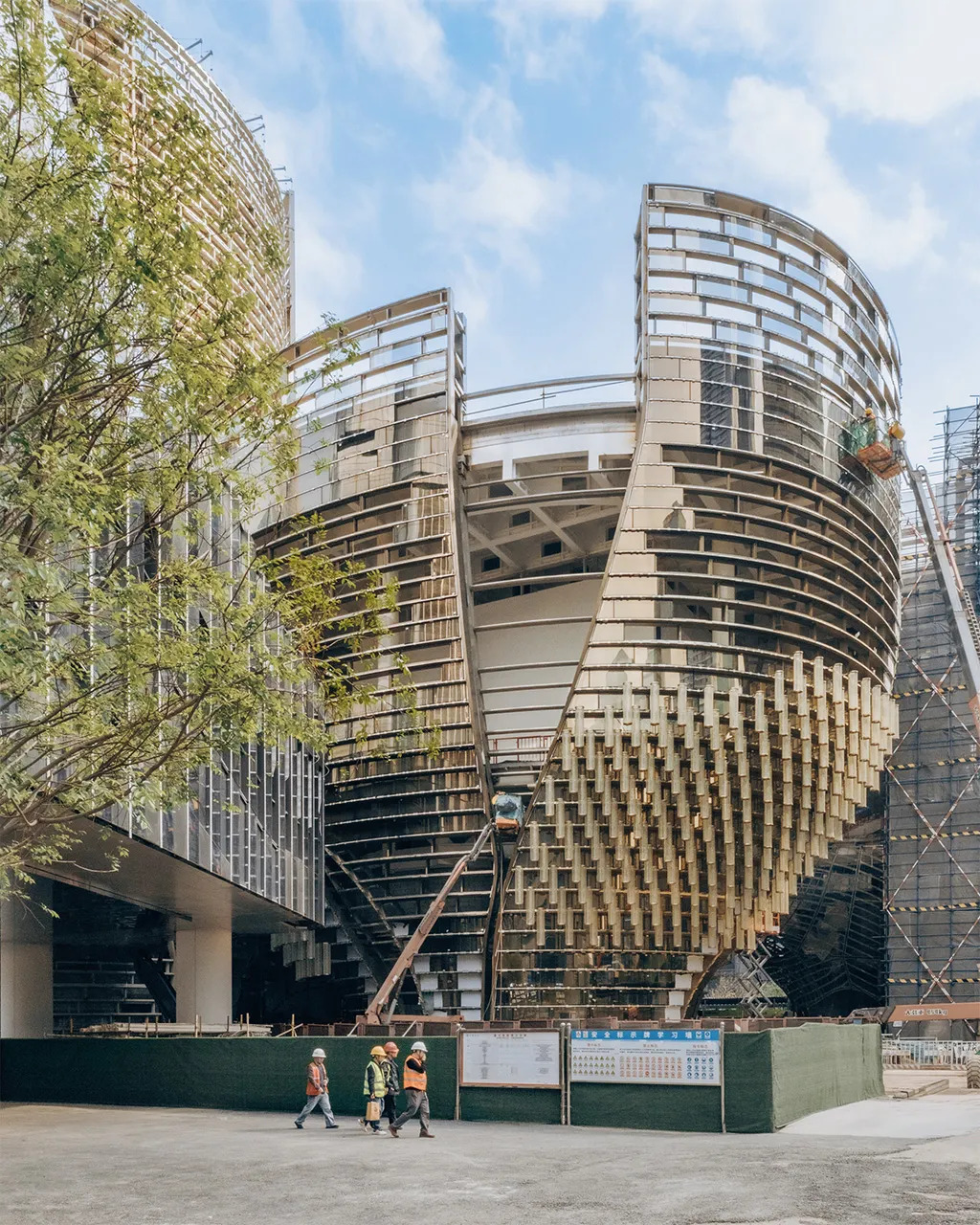
The museum’s significance will ultimately depend on whether it can turn Shenzhen’s restless energy into lasting cultural engagement. Its location within a rapidly developing urban environment gives it access to new audiences and ideas, but also places responsibility on the institution to make art relevant to people whose lives are often organised around work and technological change.
As Shenzhen looks beyond its industrial and digital achievements, Róng Museum of Art represents an effort to broaden the city’s definition of progress. Its ambition is not simply to import international culture, but to create a space where local experiences can be interpreted in a global context. In a city still writing its own story, the museum offers an opportunity to make culture part of that story rather than an afterthought.