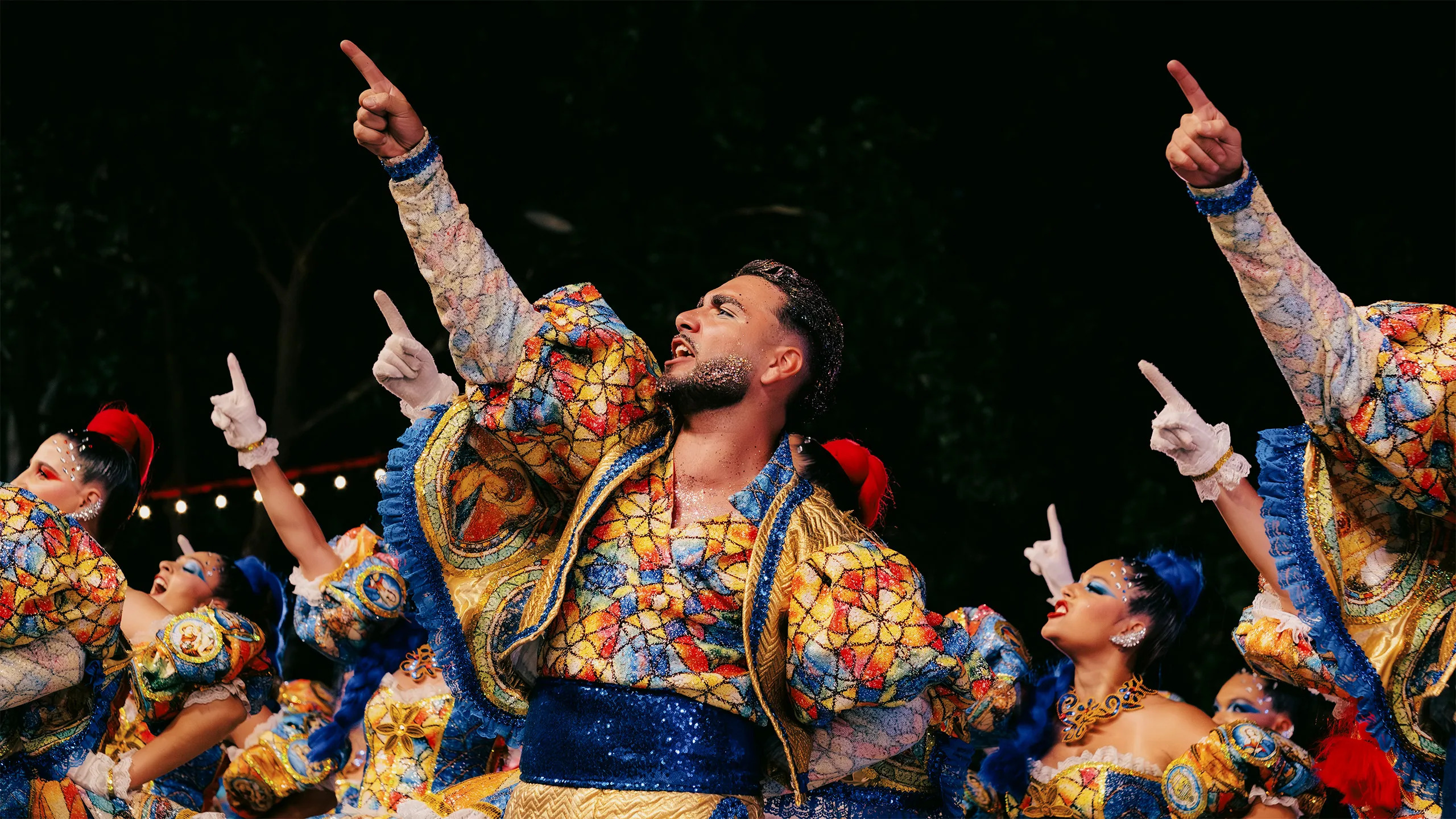
Every summer, Lisbon transforms into a city of music, colour and celebration as its streets become gathering places for residents and visitors alike. At the centre of this seasonal transformation is Santos Populares, a monthlong festival honouring three Catholic saints associated with June: Saint Anthony, Saint John and Saint Peter. Blending religious devotion with popular entertainment, the festivities offer a distinctive portrait of Lisbon’s identity, where historic customs coexist with a constantly changing urban culture.
Saint Anthony holds a particularly important place in the capital’s traditions. Born in Lisbon in the twelfth century, he is widely regarded as the city’s patron saint and is associated with matchmaking and romantic good fortune. His feast day is marked by celebrations that extend well beyond formal religious observance, bringing neighbourhood communities together through food, music, dancing and public ceremonies.
One of the festival’s most distinctive traditions is the communal wedding ceremony held on the eve of Saint Anthony’s Day. Selected couples marry in Lisbon’s town hall and cathedral, continuing a civic tradition that began in 1958, although it was interrupted for several decades. The municipality and local businesses contribute to the celebrations, helping provide everything from wedding attire and banquets to other arrangements. The ceremonies connect personal milestones with the broader life of the city, making marriage part of a shared cultural occasion.
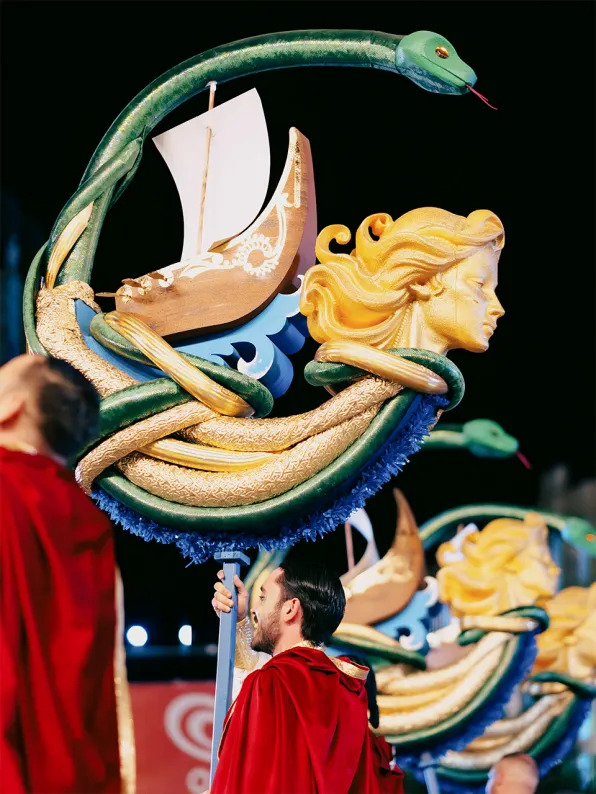
As evening approaches, attention shifts towards the Marchas Populares, the celebrated neighbourhood parade competition. Groups representing districts across Lisbon take to the avenue in carefully choreographed performances, combining brass bands, elaborate costumes, theatrical props and original songs. Each group draws inspiration from its district’s history, occupations, traditions and relationship with the city.
The visual spectacle is matched by a strong sense of local identity. References to the Tagus River and Lisbon’s maritime heritage appear alongside tributes to traditional fish sellers, cod salters, lottery-ticket vendors and fado, the musical genre closely associated with the capital. Performers use intricate costumes and inventive staging to bring these histories into the present, transforming familiar cultural references into energetic public entertainment.
Food and music remain essential to the wider celebration. Across the city, open-air gatherings fill streets and squares, with grilled sardines, beer and traditional dishes such as caldo verde contributing to the atmosphere. Pimba, a playful and often kitsch form of Portuguese popular music, provides a soundtrack for dancing late into the night. Although the festival has deep religious associations, many of its customs also reflect older seasonal celebrations connected with harvests, communal gatherings and the arrival of summer.
Beneath the exuberance, however, the festivities also reveal tensions surrounding Lisbon’s changing character. The city has become increasingly international, attracting new residents and visitors while its established neighbourhoods face the pressures of demographic change and gentrification. These developments raise questions about who gets to shape local culture and how longstanding traditions can survive in districts undergoing rapid transformation.
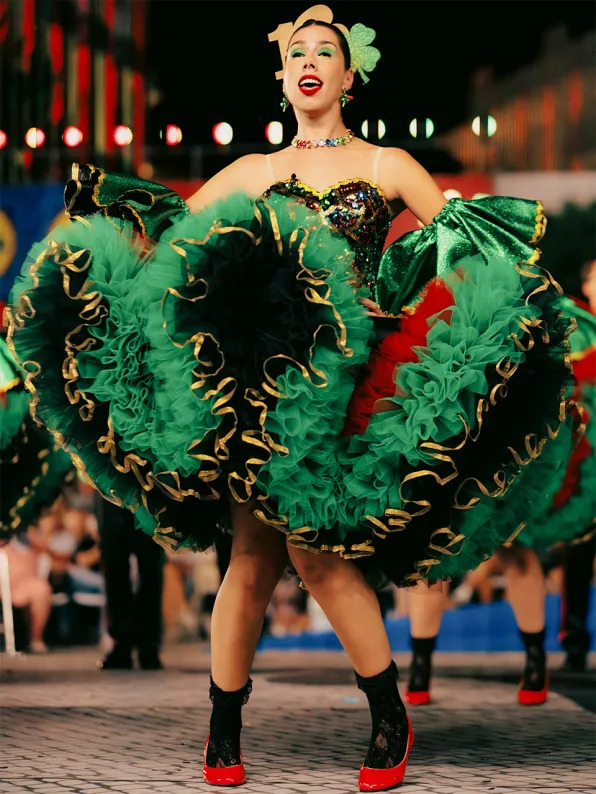
Some parade performances address these questions directly, using humour and theatrical exaggeration to reflect on changing languages, customs and everyday life. In historic neighbourhoods such as Alfama, such references demonstrate how the festival can function as more than entertainment. It offers a public stage on which residents can express affection for their city while acknowledging the challenges confronting it.
The celebrations ultimately depend on this balance between continuity and change. Their costumes may become more elaborate, their performances more contemporary and their audiences increasingly diverse, yet the underlying attachment to neighbourhoods remains central. Santos Populares gives Lisbon an opportunity to celebrate its collective memory while making room for new interpretations of its heritage.
When the music fades and the crowds gradually disperse, the festival leaves behind a reminder of what makes the Portuguese capital distinctive. Its identity is not defined by a single tradition or historical moment, but by the interaction of faith, folklore, food, music and local pride. Through Santos Populares, Lisbon renews that connection each summer, turning its streets into a vivid expression of a city that continues to evolve without entirely losing sight of its roots.