In a city where art, architecture and design form an integral part of the cultural landscape, establishing a distinctive national voice requires more than simply presenting exhibitions. It demands a space capable of communicating a country’s creative ambitions while encouraging dialogue across borders. In Paris, the Centre Culturel Suisse is taking on that role with renewed purpose, bringing together Swiss artists, designers, architects and performers in a setting that connects cultural heritage with contemporary expression.
Located in the historic Marais district, the institution has returned following an extensive renovation that required an investment of CHF7.3 million, equivalent to approximately €7.9 million. The four-year project has refreshed the building and its facilities while reinforcing the centre’s position as a platform for Swiss creativity within one of Europe’s most influential cultural capitals.
Established in 1985, the Centre Culturel Suisse emerged from a growing community of Swiss painters, creatives and architects living and working in Paris. Their presence highlighted the need for a dedicated institution where artists could present their work and engage with international audiences. The centre subsequently developed into a multidisciplinary venue, reflecting Switzerland’s artistic diversity rather than restricting its programme to a single medium or tradition.
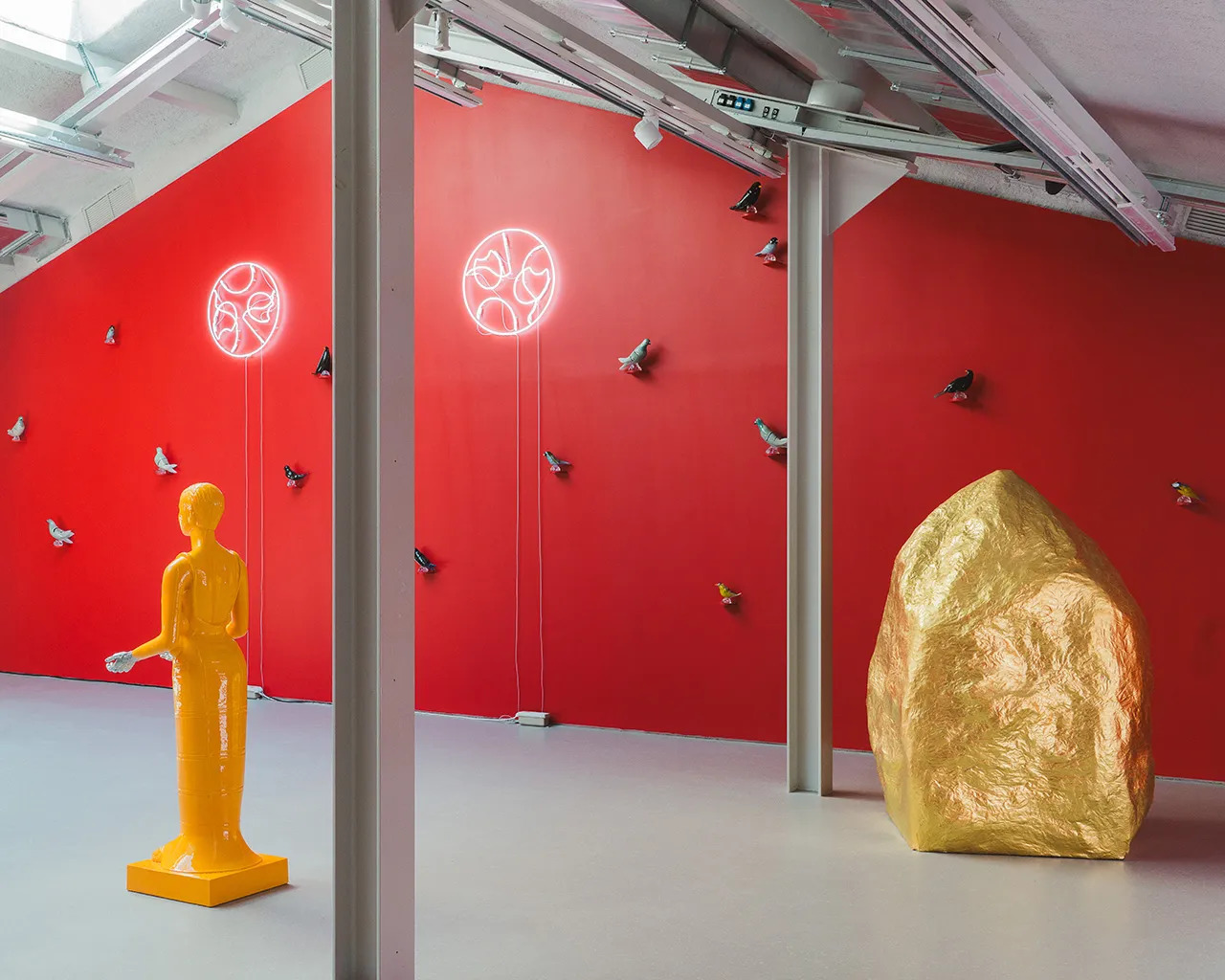
Its continued importance is reinforced by the support it receives from Pro Helvetia, the Swiss foundation responsible for promoting the country’s arts and culture at home and abroad. The Centre Culturel Suisse is the only overseas Swiss cultural centre entirely funded by the foundation, underlining the strategic significance of Paris to Switzerland’s international cultural engagement.
For director Jean-Marc Diébold, the institution’s role extends beyond representing national achievements. Switzerland’s position among larger European neighbours has long encouraged its artists to work internationally, and the centre provides a place where those outward-looking perspectives can be shared. Its programme offers an opportunity to challenge simplified perceptions of Swiss culture and reveal the range of ideas, practices and creative approaches emerging from the country.
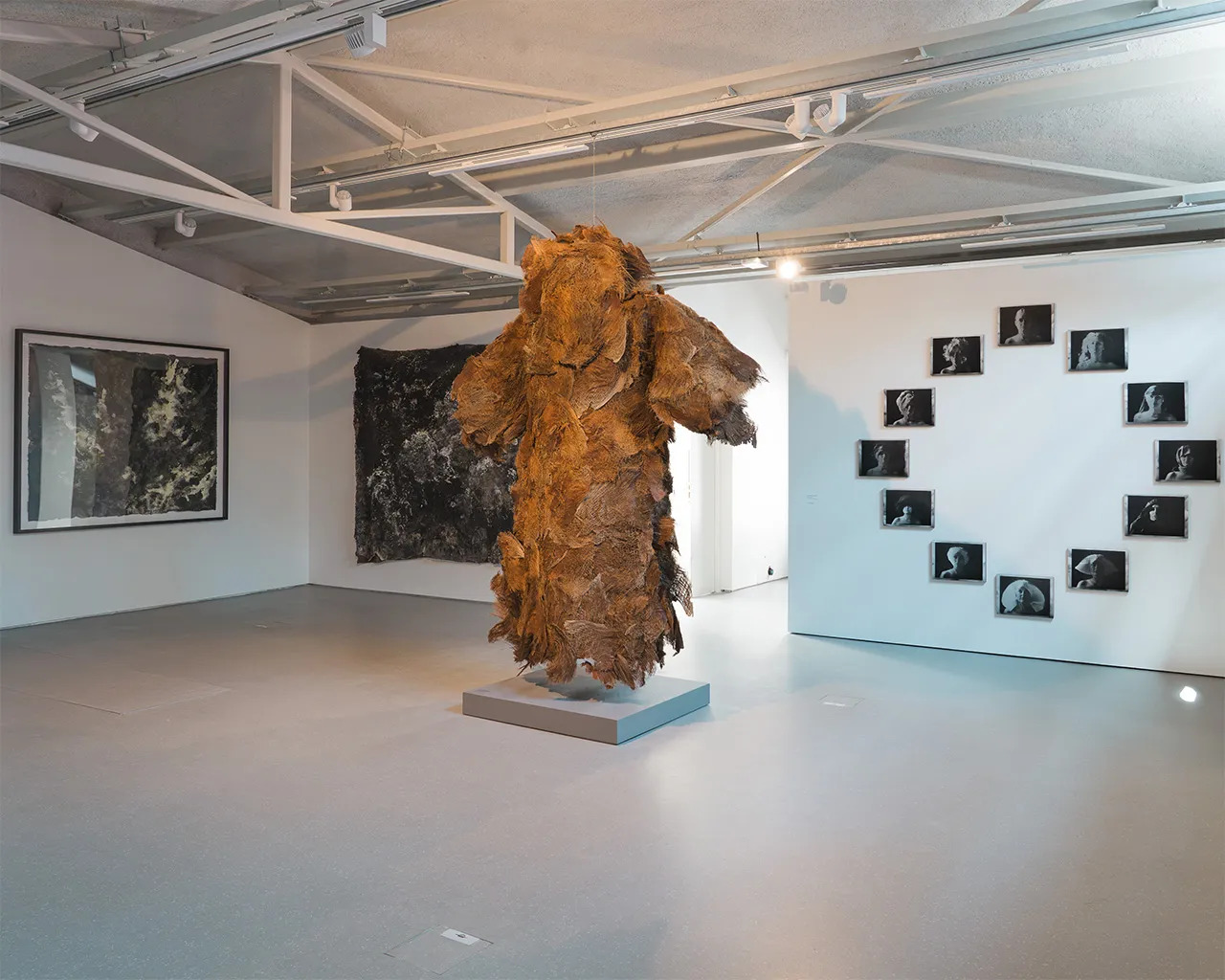
The building itself contributes to that ambition. Housed in a seventeenth-century mansion, it combines the architectural character of historic Paris with a contemporary interior shaped by the renovation. Paris-based architectural firm ASBR and Basel studio Truwant + Rodet collaborated on the transformation, introducing a more industrial atmosphere while retaining the building’s distinctive identity. Bespoke LED signage by graphic designer Marietta Eugster, who works between Zurich and Paris, adds another layer of contemporary design.
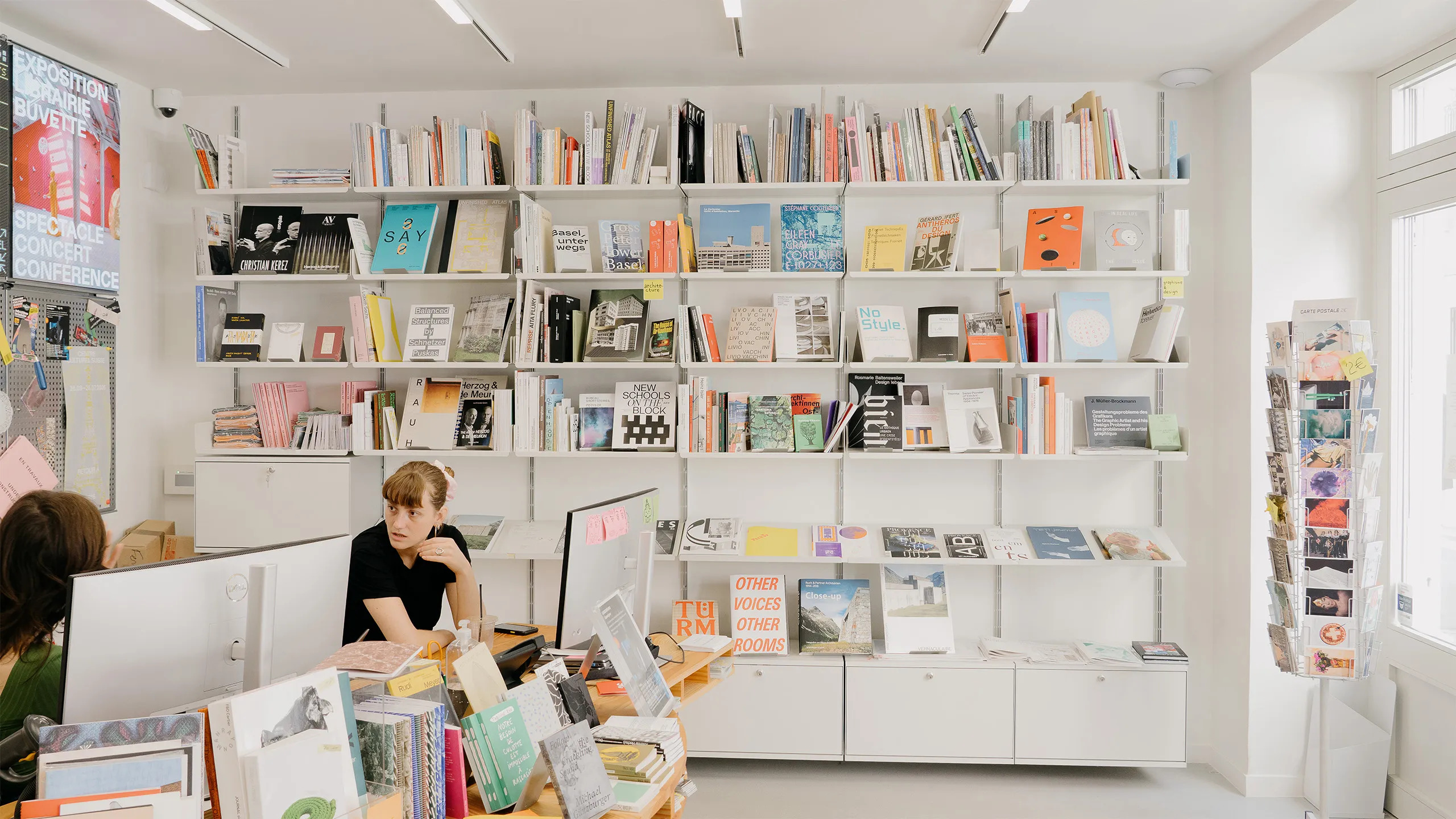
The centre’s public spaces extend the experience beyond exhibition rooms. A courtyard café, Le Voltigeur, incorporates a small Swiss-style buvette inspired by Alpine kiosks, serving Swiss renversé coffee alongside a selection of chocolates. The library also brings Swiss publishing into the institution, with books from independent publishers including Park Books and Edition Patrick Frey. These details create an environment in which visitors can encounter Swiss culture through architecture, literature, food and design as well as through exhibitions and performances.
During the renovation, the institution also looked beyond its permanent Paris address. Its programme included a tour of France, with visits to places such as Dunkirk, Rennes and Guadeloupe. This outreach reflected an effort to introduce Swiss creative work to wider Francophone audiences and to develop relationships beyond the capital’s established cultural networks.
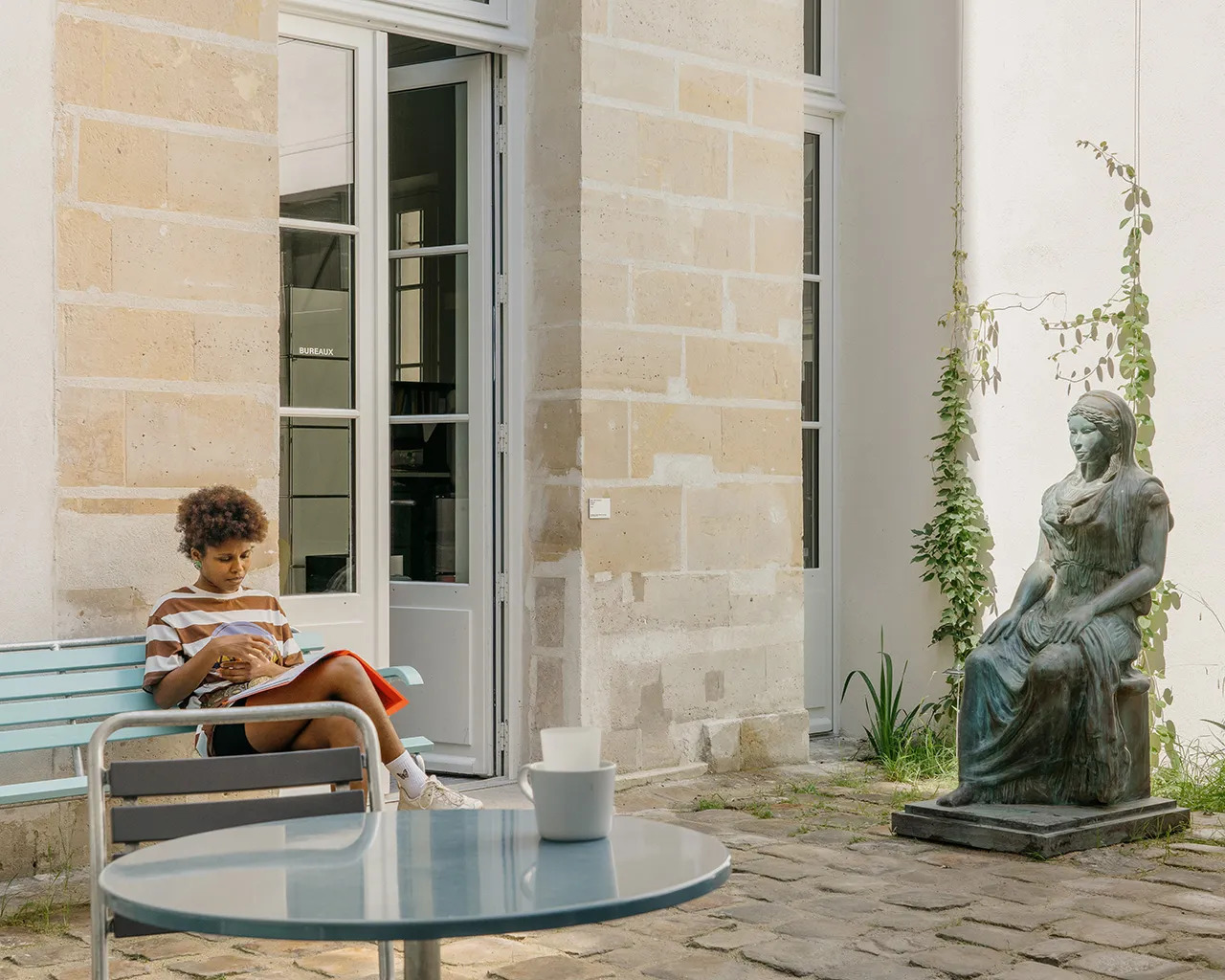
Maintaining that outward-facing approach remains an important priority as the centre resumes its activities. A permanent venue offers continuity and visibility, but it can also encourage institutions to focus inward. Diébold has emphasised the importance of resisting that tendency, keeping the programme open to different audiences, places and perspectives.
The renewed Centre Culturel Suisse ultimately illustrates how cultural institutions can serve two communities at once. For Switzerland, it offers an international platform for artistic expression and cultural diplomacy. For Paris, it contributes another perspective to an already diverse creative environment. Its significance lies not only in presenting Swiss work abroad, but also in creating a setting where national identity can be explored, questioned and understood through exchange.